
Baja Tahan Karat 304 vs. 316: Panduan Lengkap untuk Memilih Perabot Laboratorium
Selecting the correct material for laboratory furniture is a critical decision for procurement officers and lab managers. In environments where hygiene, durability, and chemical resistance are paramount, stainless steel is often the material of choice. However, a common dilemma arises during the specification process: Stainless Steel 304 vs. 316. Which grade offers the best return on investment for your specific facility?
Both grades look identical to the naked eye. They both offer a sleek, professional aesthetic and are non-porous. Yet, their chemical compositions differ significantly. Consequently, their performance in harsh environments varies greatly.
In this comprehensive guide, we will dissect the technical differences between these two alloys. We will help you determine which grade is suitable for pharmaceutical labs, chemical research facilities, and sterile cleanrooms.
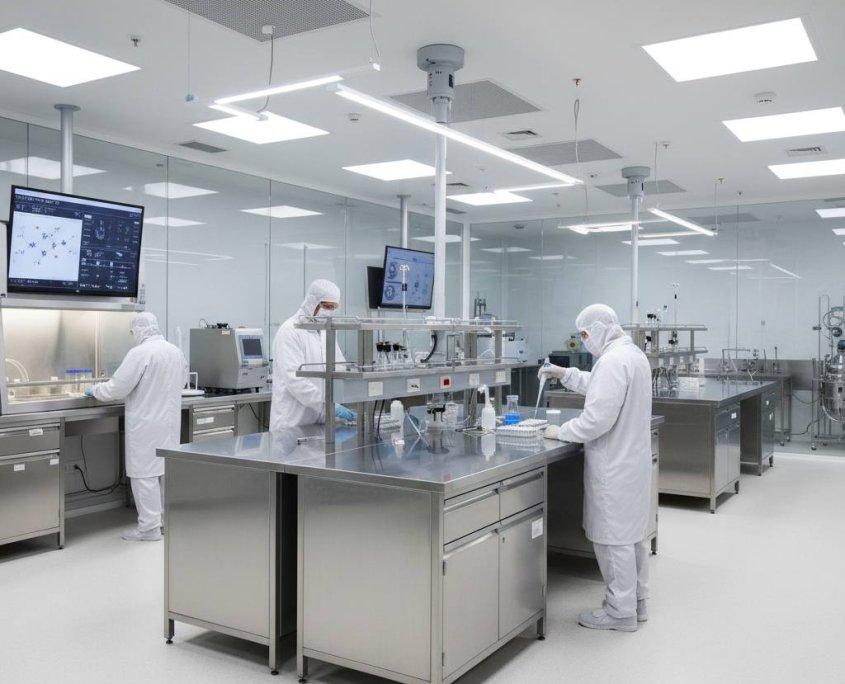
The Chemistry Behind the Steel
To understand the performance differences, we must first look at the metallurgy. Stainless steel is an alloy primarily composed of iron, carbon, and chromium. The chromium is vital because it forms a passive oxide layer that prevents rust. However, other elements are added to enhance specific properties.
Grade 304: The Versatile Standard
Stainless Steel 304 is the most common form of stainless steel used globally. It is an austenitic steel, containing high amounts of chromium (18%) and nickel (8%). This specific composition is often referred to as “18/8” stainless.
It offers excellent corrosion resistance in most normal environments. Furthermore, it is easy to form and weld. Therefore, it is a standard choice for kitchen equipment, architectural paneling, and general-purpose lab furniture.
Grade 316: The Superior Resistant Alloy
On the other hand, Stainless Steel 316 is widely known as the “marine grade” or “pharmaceutical grade” alloy. Like 304, it contains chromium and nickel. However, the critical difference lies in the addition of molybdenum.
Grade 316 typically contains 2% to 3% molybdenum. This addition drastically increases corrosion resistance. Specifically, it improves resistance against chlorides and industrial solvents. Consequently, 316 is the superior choice for harsh chemical environments.
Stainless Steel 304 vs. 316: Detailed Comparison Table
When selecting perabot laboratorium, visual inspection is insufficient. You need data to make an informed choice. The table below outlines the key technical differences.
| Fitur | Stainless Steel 304 | Stainless Steel 316 |
|---|---|---|
| Kandungan Kromium | 18% – 20% | 16% – 18% |
| Kandungan Nikel | 8% – 10.5% | 10% – 14% |
| Kandungan Molibdenum | Tidak ada | 2% – 3% |
| Tahan korosi | Baik (Serbaguna) | Sangat Baik (Tahan Klorida/Asam) |
| Acid Resistance | Resists oxidizing acids | Resists sulfuric acids and chlorides |
| Biaya | Lebih Terjangkau | Higher (15-20% more expensive) |
| Common Lab Use | General Workstations, Shelving | Fume Hoods, Chemical Sinks |
Performance in Laboratory Environments
Understanding the chemical composition is the first step. Next, we must analyze how these materials perform under real-world laboratory conditions. Labs are notorious for spills, harsh cleaning agents, and volatile fumes.
1. Chemical Resistance and Chlorides
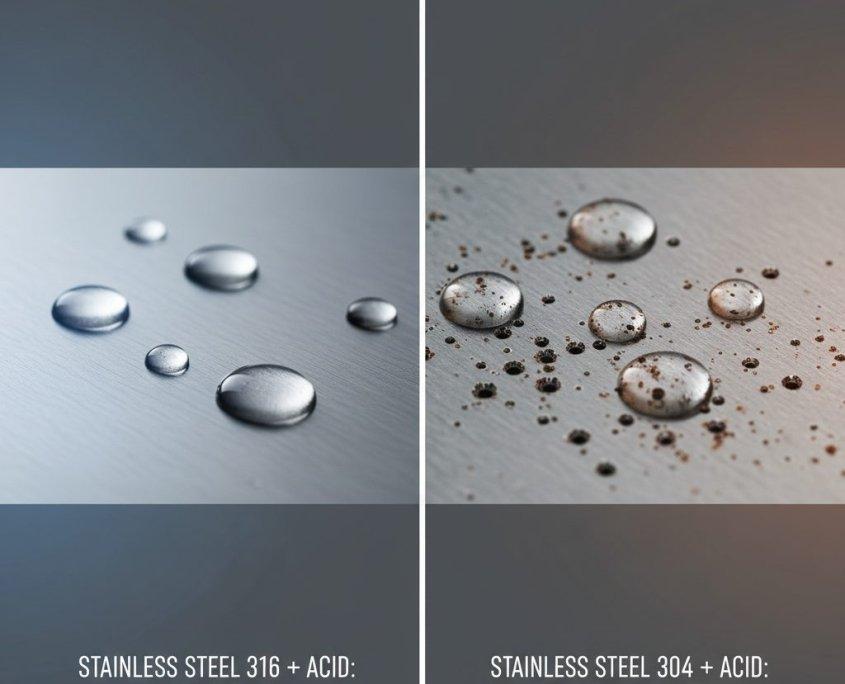
The primary weakness of Grade 304 is its susceptibility to chloride corrosion. In environments with high salinity or exposure to chlorine-based cleaning solutions, 304 can develop pitting. Pitting is localized corrosion that creates small holes in the metal.
In contrast, the molybdenum in Grade 316 fights this pitting effect. For laboratories handling hydrochloric acid, sulfuric acid, or chlorides, Grade 316 is non-negotiable. Using 304 in such settings will lead to rapid deterioration. For authoritative guidelines on chemical resistance standards, organizations like ASTM Internasional provide detailed specifications.
2. Hygiene and Sterility
Both grades offer excellent hygiene properties. They are non-porous, meaning bacteria and viruses cannot hide in fissures. This makes them easy to sanitize. However, in pharmaceutical manufacturing, aggressive sterilization agents are used frequently.
If your cleaning protocols involve strong bleaches or oxidizers, Grade 316 is safer. It ensures the surface remains smooth and intact over years of rigorous cleaning. A pitted surface (common in corroded 304) can harbor contaminants, violating GMP standards.
Buying Guide: Which Grade Should You Choose?
Making the right choice depends on your specific application. Here is a breakdown of when to select each grade for your lab workstations.
When to Choose Stainless Steel 304
Grade 304 is a cost-effective solution for environments with low chemical aggression. It is durable, attractive, and significantly cheaper than 316.
- General Analysis Labs: Where only mild solvents are used.
- Dry Labs: For instrumentation or physics where liquid spills are rare.
- Food Testing: Most food-grade applications are satisfied by 304 standards.
- Storage Areas: For cabinets and shelving that store consumables rather than chemicals.
When to Choose Stainless Steel 316
Grade 316 is an investment in longevity and safety. Although the upfront cost is higher, it prevents costly replacements due to corrosion.
- Pharmaceutical Labs: Essential for maintaining sterile conditions and resisting harsh detergents.
- Chemical Synthesis: Mandatory for areas handling chlorides, sulfuric acid, or bromides.
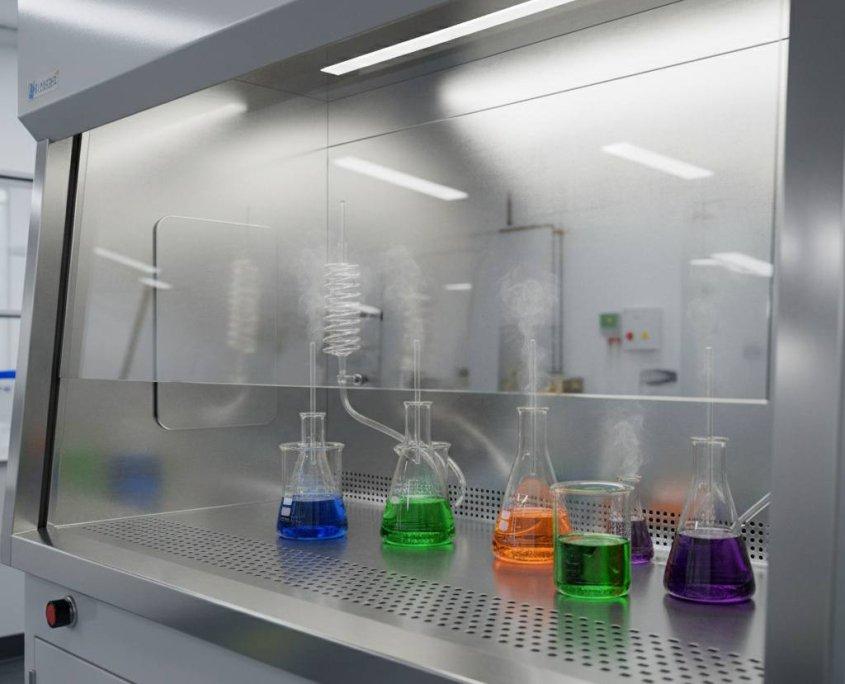
- Fume Hood Interiors: The liners of fume hoods are exposed to concentrated vapors and require 316.
- Coastal Facilities: If your lab is located near the ocean, salt air can corrode 304 quickly.
Cost Considerations and ROI
Budget constraints are a reality for every project. Typically, Stainless Steel 316 costs about 15% to 20% more than 304. This price difference is due to the high cost of molybdenum and nickel.
However, focusing solely on the initial price tag is a mistake. If you install 304 in a corrosive environment, it may rust within months. Remediation involves shutting down the lab, removing furniture, and reinstalling new units. This downtime is far more expensive than the initial material upgrade. Therefore, calculating the Total Cost of Ownership (TCO) is vital.
Maintenance Tips for Stainless Steel Furniture
Regardless of the grade you choose, proper maintenance extends the life of your furniture. Stainless steel is not “stain-proof”; it is merely “stain-less”.
- Pembersihan Reguler: Use warm water and a mild detergent. Rinse thoroughly.
- Hindari Bahan Abrasive: Never use steel wool or wire brushes. These can scratch the passive layer and induce rust.
- Rinse Acids Immediately: If a spill occurs, neutralize and rinse it immediately, even on Grade 316.
For more detailed safety protocols regarding lab maintenance, resources from OSHA provide excellent guidance on workplace safety standards.
Kesimpulan
The debate between Stainless Steel 304 vs. 316 ultimately comes down to your environment. Grade 304 is a capable, economical choice for general applications and dry labs. Conversely, Grade 316 is the industry standard for pharmaceutical, chemical, and wet lab environments where corrosion resistance is critical.
Choosing the right material ensures the longevity of your facility and the safety of your researchers. Do not compromise on quality when handling volatile chemicals.
Ready to Upgrade Your Laboratory?
Our team of experts specializes in designing high-performance lab furniture using premium stainless steel grades. We can help you assess your chemical usage and recommend the perfect material.


