
8 điều cần cân nhắc trước khi mua bàn thí nghiệm bằng thép không gỉ

8 điều cần cân nhắc trước khi mua bàn thí nghiệm bằng thép không gỉ
Việc lựa chọn đồ nội thất phù hợp cho một phòng thí nghiệm hiện đại là một quyết định quan trọng, ảnh hưởng đến quy trình làm việc, an toàn và chi phí dài hạn. Cụ thể, bàn thí nghiệm inox Đồ nội thất bằng thép không gỉ đã trở thành tiêu chuẩn vàng cho môi trường dược phẩm, lâm sàng và công nghiệp nhờ độ bền và vệ sinh vượt trội. Tuy nhiên, không phải tất cả đồ nội thất bằng thép không gỉ đều được sản xuất như nhau. Đối với các nhà phân phối B2B và các cán bộ thu mua, việc hiểu rõ các chi tiết kỹ thuật là điều cần thiết để tránh những sai lầm tốn kém.
Cho dù bạn đang trang bị cho phòng thí nghiệm ướt, phòng sạch hay cơ sở kiểm nghiệm thực phẩm, các thông số cụ thể phải quyết định lựa chọn mua sắm của bạn. Hướng dẫn này nêu ra tám yếu tố quan trọng cần xem xét trước khi hoàn tất đơn đặt hàng. Nhờ đó, bạn sẽ đảm bảo cơ sở của mình nhận được đồ nội thất đáp ứng các tiêu chuẩn nghiêm ngặt của ngành.

1. Mác vật liệu: Thép không gỉ 304 so với 316
Thông số kỹ thuật đầu tiên và quan trọng nhất cần kiểm tra là mác thép. Nhìn chung, ngành công nghiệp dựa vào hai loại chính: Loại 304 và Loại 316. Mặc dù chúng trông giống hệt nhau bằng mắt thường, nhưng thành phần hóa học của chúng khác nhau đáng kể.
Thép không gỉ loại 304 Đây là lựa chọn phổ biến và tiết kiệm chi phí nhất. Nó có khả năng chống ăn mòn tuyệt vời trong môi trường phòng thí nghiệm tiêu chuẩn, chẳng hạn như phòng thí nghiệm vật lý hoặc khu vực chuẩn bị mẫu nói chung. Hơn nữa, nó có khả năng chống oxy hóa và dễ dàng vệ sinh.
Thép không gỉ loại 316, Ngược lại, loại thép này chứa thêm molypden. Nguyên tố này làm tăng đáng kể khả năng chống ăn mòn và rỗ bề mặt do clorua và axit mạnh gây ra. Do đó, nếu phòng thí nghiệm của bạn xử lý các mẫu sinh học, axit sulfuric hoặc dung dịch muối, thì thép loại 316 là lựa chọn không thể thiếu.
Việc lựa chọn sai loại vật liệu có thể dẫn đến gỉ sét bề mặt chỉ sau vài tháng. Luôn luôn xác nhận chứng nhận vật liệu với nhà sản xuất của bạn.
2. Độ dày và độ bền của thước đo
Ngoài loại hợp kim, độ dày của thép, được đo bằng đơn vị gauge, quyết định độ bền cấu trúc của bàn. Số gauge càng thấp thì kim loại càng dày và chắc chắn hơn.
- Độ dày 14 gauge: Sử dụng cường độ cao. Lý tưởng để giữ các thiết bị nặng như máy ly tâm hoặc máy đo phổ khối lượng.
- 16 Gauge: Độ bền tiêu chuẩn. Thích hợp cho các bàn làm việc thông thường và khu vực viết.
- 18 Gauge: Loại nhẹ, thường được dùng làm kệ lưu trữ giá rẻ nhưng hiếm khi dùng làm mặt bàn làm việc chính.
Đối với các ứng dụng công nghiệp, việc mua sắm bàn thí nghiệm chịu tải nặng Với mặt bàn làm từ thép dày 14 gauge, bề mặt sẽ không bị lõm hoặc cong vênh dưới tải trọng nặng. Thêm vào đó, các thanh gia cố giảm tiếng ồn bên dưới mặt bàn có thể giảm rung động và tiếng ồn.
3. Yêu cầu về độ hoàn thiện bề mặt và vệ sinh
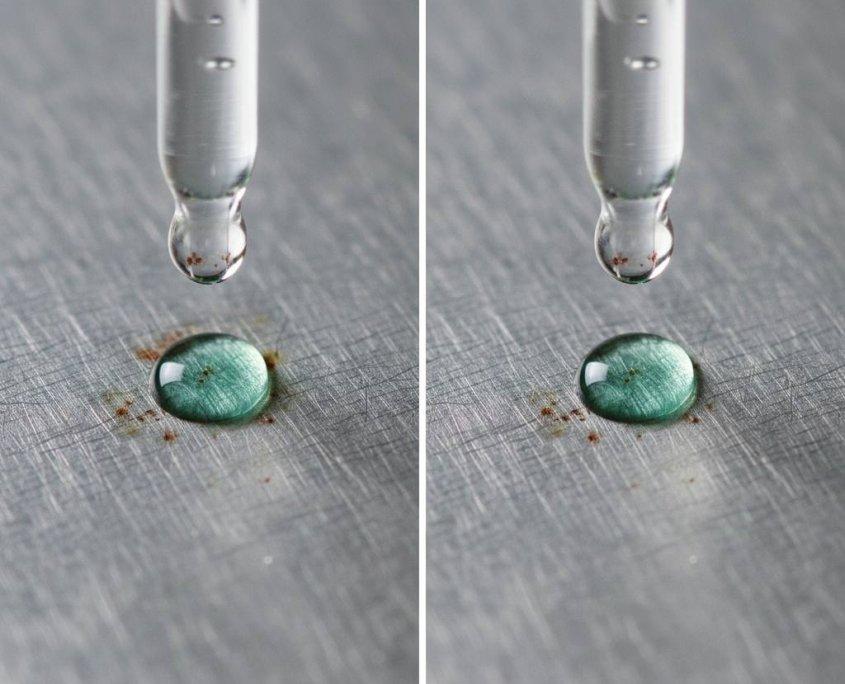
Trong môi trường phòng sạch (ISO 5 đến ISO 8), độ nhám bề mặt (giá trị Ra) là một chỉ số quan trọng. Bề mặt được gia công tiêu chuẩn có thể chứa vi khuẩn hoặc các hạt nhỏ li ti. Ngược lại, bề mặt được đánh bóng điện hóa tạo ra bề mặt siêu mịn như gương, cực kỳ dễ khử trùng.
Hơn nữa, hãy xem xét cấu trúc góc. Các góc được bo tròn (các cạnh tròn) giúp ngăn ngừa tích tụ bụi bẩn và đơn giản hóa quy trình vệ sinh. Tính năng này thường là bắt buộc để tuân thủ GMP (Thực hành sản xuất tốt) trong sản xuất dược phẩm.
4. Khả năng chịu tải và thiết kế kết cấu
Trước khi mua, hãy tính toán tổng trọng lượng của các thiết bị sẽ đặt trên bàn. Bàn thí nghiệm bằng thép không gỉ Thông thường, chúng có hai kiểu khung chính: khung chữ C và khung chữ H.
Bàn khung chữ H Chúng mang lại độ ổn định và khả năng chịu tải cao nhất, thường chịu được trọng lượng hơn 1000 lbs (450 kg). Chúng rất phù hợp cho các thiết lập cố định. Ngược lại, Bàn khung chữ C Cung cấp thêm không gian để chân và sự linh hoạt cho các tủ lưu trữ di động.
Hơn nữa, hãy kiểm tra phương pháp hàn. Khung được hàn hoàn toàn có độ cứng vững và vệ sinh cao hơn so với khung lắp ghép bằng bu lông, vì có ít khe hở hơn cho chất bẩn ẩn náu.
5. Tính tiện dụng và khả năng điều chỉnh
Sức khỏe và tinh thần của nhân viên có mối liên hệ trực tiếp với năng suất lao động. Do đó, các phòng thí nghiệm hiện đại đang chuyển hướng sang các giải pháp nội thất tiện nghi. Hãy tìm những chiếc bàn có chân điều chỉnh được chiều cao.
Hệ thống nâng hạ thủy lực hoặc điện cho phép các nhà nghiên cứu chuyển đổi giữa tư thế ngồi và đứng. Sự linh hoạt này giúp giảm căng thẳng thể chất trong các thí nghiệm kéo dài. Ngoài ra, hãy cân nhắc sử dụng bánh xe có khóa nếu quy trình làm việc trong phòng thí nghiệm của bạn yêu cầu thường xuyên cấu hình lại không gian làm việc.
6. Tuân thủ các tiêu chuẩn ngành (SEFA)
Đối với người mua B2B, việc tuân thủ là bắt buộc. Nội thất của bạn phải đáp ứng các tiêu chuẩn an toàn và hiệu suất do các tổ chức như [tên tổ chức] đề ra. SEFA (Hiệp hội Thiết bị và Nội thất Khoa học).
Tiêu chuẩn SEFA 8M quy định cụ thể các phương pháp thử nghiệm đối với tủ và bàn thí nghiệm bằng kim loại, bao gồm cả thử nghiệm hóa chất tại chỗ và thử nghiệm tải trọng. Việc đảm bảo nhà cung cấp của bạn tuân thủ các tiêu chuẩn này sẽ đảm bảo sản phẩm có thể chịu được sự khắc nghiệt của môi trường phòng thí nghiệm chuyên nghiệp.
7. Tích hợp với các phụ kiện phòng thí nghiệm
Một chiếc bàn độc lập hiếm khi đáp ứng đủ nhu cầu. Một trạm làm việc hiệu quả cần tích hợp nguồn điện, dữ liệu và lưu trữ. Hãy kiểm tra xem nhà sản xuất có cung cấp các mô-đun bổ sung hay không.
- Giá kệ đựng hóa chất: Các ngăn kệ có thể điều chỉnh giúp dễ dàng lấy hóa chất.
- Ống dẫn điện: Tích hợp các ổ cắm điện và cổng dữ liệu để quản lý dây cáp.
- Các loại bồn rửa: Chậu rửa được hàn liền mạch, thích hợp cho phòng thí nghiệm ướt.
Việc lựa chọn hệ thống dạng mô-đun cho phép bạn nâng cấp chức năng của bàn trong tương lai mà không cần thay thế toàn bộ sản phẩm.
8. Tổng chi phí sở hữu (TCO)
Cuối cùng, hãy xem xét giá trị lâu dài thay vì chỉ giá ban đầu. Mặc dù thép mạ kẽm hoặc thép không gỉ cấp thấp hơn có thể tiết kiệm tiền ban đầu, nhưng chúng thường cần được thay thế trong vòng vài năm do bị ăn mòn.
Đầu tư vào bàn làm việc bằng thép không gỉ loại 316 chất lượng cao đảm bảo tuổi thọ hàng chục năm. Do đó, tổng chi phí sở hữu (TCO) sẽ thấp hơn đáng kể khi được khấu hao trong suốt vòng đời hoạt động của cơ sở. Để nhận báo giá về các giải pháp bền vững, Liên hệ với đội ngũ chuyên gia của chúng tôi Hôm nay.
So sánh: Thông số kỹ thuật của thép không gỉ 304 và 316
| Tính năng | Thép không gỉ loại 304 | Thép không gỉ loại 316 |
|---|---|---|
| Bố cục | 18% Crom, 8% Niken | 16% Crom, 10% Niken, 2% Molypden |
| Chống ăn mòn | Tốt (Đạt tiêu chuẩn sử dụng trong phòng thí nghiệm) | Tuyệt vời (Chống hóa chất mạnh/clorua) |
| Chi phí | Giá cả phải chăng hơn | Phí bảo hiểm cao hơn |
| Ứng dụng tốt nhất | Phòng thí nghiệm khô, Chuẩn bị thực phẩm, Đóng gói | Phòng thí nghiệm ướt, phòng sạch, khu vực hàng hải |
| Độ thẩm thấu từ tính | Thấp | Rất thấp |
Phần kết luận
Mua bàn thí nghiệm inox Đầu tư vào thiết bị phòng thí nghiệm là một lựa chọn tối ưu cho hiệu quả và an toàn của phòng thí nghiệm. Bằng cách xem xét chất liệu, khả năng chịu tải, lớp phủ vệ sinh và tuân thủ tiêu chuẩn SEFA, bạn có thể tự tin lựa chọn những thiết bị bền bỉ theo thời gian. Đừng thỏa hiệp về chất lượng khi an toàn và vô trùng là điều quan trọng.
Bạn đã sẵn sàng trang bị cho cơ sở của mình những thiết bị phòng thí nghiệm cao cấp chưa? Hãy liên hệ với chúng tôi để được tư vấn phù hợp với nhu cầu cụ thể của dự án của bạn.


Để lại bình luận
Bạn muốn tham gia thảo luận không?Hãy thoải mái đóng góp!