
 https://www.zhlabsfurniture.com/wp-content/uploads/2023/03/wood-lab-workstaion-casework.jpg 400 400 nguồn gốc https://www.zhlabsfurniture.com/wp-content/uploads/2026/08/zh-lab-logo-home-1.jpg nguồn gốc2023-01-03 13:10:482026-10-22 10:53:36Bàn thí nghiệm gỗ
Phân tích chiến lược và tài chính dành cho các nhà quản lý cơ sở vật chất, kỹ sư và kiểm soát viên tài chính.
Tác giả: ZH Lab
Tóm tắt
Việc cải tạo và nâng cấp phòng sạch là điều không thể tránh khỏi. Những tiến bộ công nghệ, thay đổi quy định và nhu cầu sản xuất thay đổi đòi hỏi sự thích ứng. Nội thất và tủ kệ truyền thống "cố định" thường biến những dự án này thành những công việc tốn kém, gây gián đoạn và lãng phí, liên quan đến việc phá dỡ, xử lý và chế tạo tùy chỉnh kéo dài.
Bản báo cáo này trình bày thiết kế dạng mô-đun như một giải pháp chiến lược về tài chính và vận hành. Bằng cách chuyển từ xây dựng tĩnh sang các hệ thống động, có thể cấu hình lại, các cơ sở có thể đạt được những khoản tiết kiệm đáng kể về chi phí đầu tư (CapEx) và chi phí vận hành (OpEx). Chúng tôi chứng minh một lộ trình rõ ràng để đạt được mức giảm 30% hoặc hơn về tổng chi phí cải tạo thông qua các khoản tiết kiệm có thể định lượng được về thời gian, vật liệu, nhân công và – quan trọng nhất – thời gian ngừng sản xuất. Tính mô-đun không chỉ đơn thuần là một xu hướng thiết kế; đó là một chiến lược kinh doanh bền vững cho phòng sạch hiện đại.
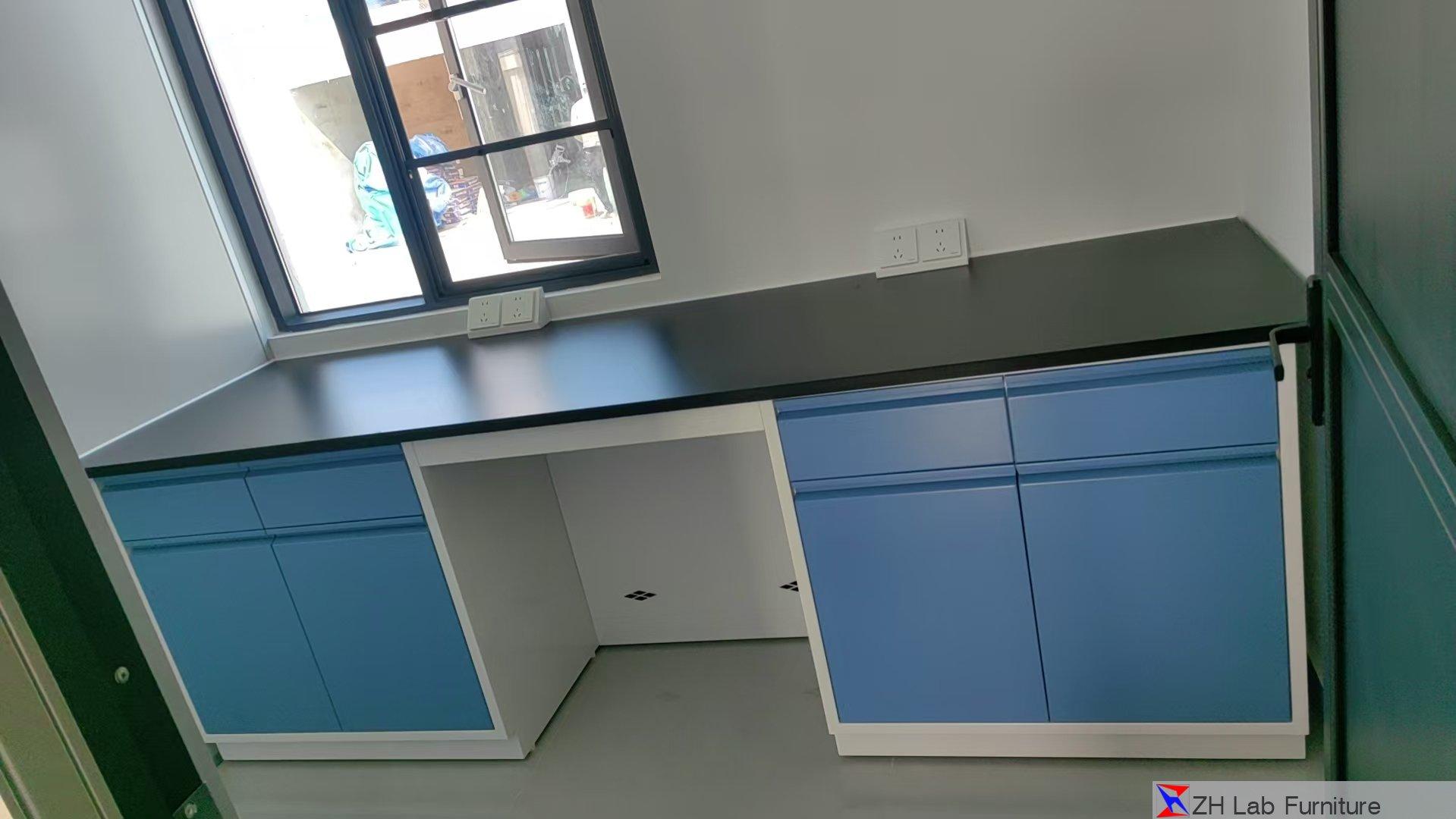
—
Lời giới thiệu: Cái giá đắt của sự cứng nhắc
Việc nâng cấp phòng sạch là một dự án có rủi ro cao. Các yếu tố chính ảnh hưởng đến chi phí bao gồm:
• Chi phí xây dựng/chế tạo trực tiếp: Vật liệu, nhân công và thiết bị mới.
• Chi phí gián tiếp: Phí thiết kế kiến trúc và kỹ thuật (A&E), quản lý dự án, thẩm định.
• Chi phí quan trọng nhưng thường bị đánh giá thấp: Thời gian ngừng sản xuất. Mỗi giờ phòng sạch ngừng hoạt động đồng nghĩa với việc mất doanh thu, trễ hạn và trì hoãn ra mắt sản phẩm.
Đồ nội thất cố định truyền thống làm trầm trọng thêm những chi phí này. Chúng được chế tạo cho một bố cục duy nhất, cụ thể. Bất kỳ thay đổi nào cũng đòi hỏi phải cắt, hàn và về cơ bản là bắt đầu lại từ đầu - một quá trình chậm, tạo ra ô nhiễm (các hạt bụi từ quá trình mài) và không tạo ra bất kỳ tài sản nào có thể tái sử dụng.
Câu hỏi cốt lõi: Làm thế nào chúng ta có thể biến đồ nội thất phòng sạch từ một khoản chi phí dùng một lần thành một tài sản vốn có thể tái sử dụng và thích ứng?
Định nghĩa thiết kế phòng sạch dạng mô-đun
Trong ngữ cảnh này, tính mô đun đề cập đến các hệ thống đồ nội thất và tủ kệ được xây dựng từ các thành phần tiêu chuẩn hóa, được thiết kế chính xác, có thể dễ dàng lắp ráp, tháo rời, cấu hình lại và mở rộng mà không cần hàn hoặc sửa đổi phá hoại.
Đặc điểm chính:
• Các bộ phận được thiết kế sẵn: Khung, tấm, mặt bàn và các khớp nối được tiêu chuẩn hóa.
• Cấu hình lại không cần dụng cụ hoặc chỉ cần dụng cụ đơn giản: Sử dụng các khóa cam, các mối nối bắt vít và các bộ phận trượt vào.
• Tính linh hoạt vốn có: Các thành phần được thiết kế để kết nối với các tiện ích (điện, khí đốt, dữ liệu) theo kiểu cắm và chạy.
• Khả năng mở rộng: Hệ thống có thể được mở rộng hoặc thu hẹp quy mô bằng cách thêm hoặc bớt các mô-đun.
Phân tích chi tiết về việc giảm chi phí của sản phẩm 30%: Một phân tích chuyên sâu.
Khoản tiết kiệm đến từ đâu? Hãy cùng phân tích ngân sách cải tạo điển hình.
Hạng mục chi phí: Phương pháp nội thất cố định truyền thống, Phương pháp thiết kế mô-đun, Tiết kiệm và lý do của %
1. Phá dỡ & Xử lý: Chi phí đáng kể. Đồ nội thất cũ phải được cắt nhỏ và vận chuyển đi như chất thải nguy hại/công nghiệp. Chi phí tối thiểu đến bằng không. Có thể tháo dỡ và tái sử dụng tới 901 tấn các bộ phận mô-đun hiện có trong bố cục mới. Loại bỏ phí xử lý và chi phí bãi chôn lấp. Tiết kiệm tổng cộng khoảng 51 tấn cho toàn bộ dự án.
2. Vật liệu mới & Gia công cao. Mỗi chi tiết mới đều được gia công tùy chỉnh từ nguyên liệu thô (tấm, ống), với số giờ lao động cao cho việc đo, cắt, hàn và hoàn thiện. Chi phí thấp hơn đáng kể. Tận dụng tỷ lệ cao các linh kiện tái sử dụng. Các bộ phận mới là mặt hàng tồn kho tiêu chuẩn, được đặt hàng để lấp đầy chỗ trống, giảm việc sử dụng nguyên liệu thô và nhân công gia công cao cấp. Tiết kiệm tổng dự án ~10-15%
3. Chi phí và thời gian lắp đặt: Tốn kém. Cần thợ hàn/thợ lắp ráp lành nghề tại công trường. Công việc diễn ra tuần tự, phức tạp và ảnh hưởng đến tiến độ. Giảm đáng kể. Các mô-đun phụ được lắp ráp sẵn và hệ thống kết nối đơn giản cho phép lắp ráp nhanh chóng, với yêu cầu kỹ năng thấp hơn. Có thể lắp đặt song song. Giảm thời gian lao động tại công trường từ 50-70% chi phí. Tổng tiết kiệm dự án khoảng 71% chi phí.
4. Kiểm soát ô nhiễm & Làm sạch Cao. Hàn và mài bên trong hoặc gần phòng sạch đòi hỏi phải có biện pháp ngăn chặn rộng rãi, thu hồi bằng bộ lọc HEPA và làm sạch sau khi thi công. Không đáng kể. Không có công việc tạo nhiệt. Việc lắp ráp sạch sẽ và chủ yếu là cơ khí. Giảm đáng kể nguy cơ ô nhiễm hạt và chi phí khắc phục liên quan. Tiết kiệm tổng dự án ~3%
5. Thời gian ngừng sản xuất (Đòn bẩy lớn nhất) được kéo dài. Phòng sạch có thể phải ngừng hoạt động trong nhiều tuần do tính chất chậm, tuần tự và gây gián đoạn của công việc. Được rút ngắn đáng kể. Việc nâng cấp có thể được thực hiện theo ca hoặc trong một ngày cuối tuần. Việc lắp đặt nhanh hơn và dọn dẹp tối thiểu có nghĩa là sản xuất sẽ được nối lại trong vài ngày, chứ không phải vài tuần. Đây là nguồn tiết kiệm tài chính lớn nhất. ~Tương đương với 10-151 nghìn tỷ bảng Anh chi phí dự án (doanh thu được bảo toàn)
6. Chi phí nâng cấp trong tương lai (Tổng chi phí sở hữu dài hạn) luôn ở mức cao. Mỗi thay đổi trong tương lai đều lặp lại chu kỳ tốn kém và lãng phí. Chi phí cấu hình lại gần như bằng không. Hệ thống được thiết kế để dễ dàng thay đổi. Việc điều chỉnh trong tương lai trở thành một nhiệm vụ bảo trì nội bộ đơn giản, bảo vệ khoản đầu tư ban đầu của bạn vô thời hạn. Giá trị chuyển đổi dài hạn
Tóm lại: Các khoản tiết kiệm trực tiếp (phá dỡ, vật liệu, nhân công, dọn dẹp) dễ dàng đạt được mức tiết kiệm từ 15.000 đến 25.300 nghìn tỷ peso trở lên so với ngân sách cải tạo vật chất. Khi giá trị của thời gian ngừng sản xuất được tránh được tính toán và kết hợp, tổng lợi ích tài chính luôn vượt quá 30.100 nghìn tỷ peso so với chi phí dự án truyền thống tương đương.
Vượt xa yếu tố chi phí: Những lợi thế về vận hành và chiến lược
• Giảm thiểu rủi ro: Giảm thiểu rủi ro về tiến độ dự án và rủi ro sự cố ô nhiễm.
• Tính linh hoạt trong kinh doanh: Cho phép phản ứng nhanh chóng với những thay đổi trong quy trình, dòng sản phẩm mới hoặc sự phát triển của tổ chức mà không cần các dự án đầu tư lớn.
• Tính bền vững: Phù hợp với các mục tiêu ESG bằng cách giảm thiểu chất thải (tái sử dụng thay vì thay thế) và giảm lượng khí thải carbon liên quan đến sản xuất và xử lý vật liệu mới.
• Hiệu quả xác thực: Các mô-đun tiêu chuẩn thường có các giao thức xác thực được xác định trước, giúp đơn giản hóa việc lập tài liệu IQ/OQ cho các thay đổi.
Hướng dẫn triển khai: Cách xác định tính mô-đun
Để hiện thực hóa những lợi ích này, các đặc tả kỹ thuật cần phải chuyển từ việc mô tả các đối tượng tĩnh sang việc xác định các tiêu chuẩn về hiệu năng và giao diện.
1. Trong giai đoạn yêu cầu chào giá/thiết kế:
• Xác định khả năng tương thích hệ thống: Yêu cầu “các hệ thống nội thất dạng mô-đun, có thể cấu hình lại, có khả năng tháo rời và lắp ráp lại mà không làm giảm chất lượng.”
• Yêu cầu kế hoạch tái cấu hình: Hãy yêu cầu nhà cung cấp nêu rõ quy trình và công cụ cần thiết cho những thay đổi bố cục trong tương lai.
• Tập trung vào các tiêu chuẩn giao diện: Xác định các điểm kết nối tiện ích (điểm cấp nguồn, đầu nối nhanh khí đốt) được tích hợp vào khung mô-đun.
2. Lựa chọn nhà cung cấp:
• Đánh giá thư viện linh kiện: Một hệ thống mạnh mẽ cung cấp nhiều loại linh kiện tương thích (chiều cao, chiều rộng, tùy chọn lưu trữ).
• Khả năng lắp ráp: Yêu cầu xem bản trình diễn hoặc video về quy trình lắp ráp.
• Yêu cầu các nghiên cứu điển hình: Yêu cầu các ví dụ được ghi lại về các cấu hình lại trước đây và thời gian/chi phí đạt được.
Nghiên cứu điển hình: Mở rộng dây chuyền đóng gói dược phẩm
• Thách thức: Cần mở rộng dây chuyền đóng gói đạt tiêu chuẩn ISO Class 7 với công suất 40% trong vòng 3 tháng để đáp ứng các nghĩa vụ hợp đồng mới. Báo giá truyền thống: Ngừng hoạt động 6 tuần.
• Giải pháp mô-đun: Các bàn làm việc và đơn vị lưu trữ mô-đun hiện có từ khu vực liền kề đã ngừng hoạt động được tháo dỡ. Kết hợp với các thành phần mô-đun mới 30%, dây chuyền đã được mở rộng.
• Kết quả: Việc lắp đặt đã hoàn tất trong hai cuối tuần liên tiếp. Thời gian ngừng sản xuất giảm từ 6 tuần xuống còn 4 ngày. Dự án tiết kiệm được 281 TP3T so với ngân sách được phân bổ cho phương án xây dựng cố định truyền thống, chưa tính đến hàng triệu đô la doanh thu được bảo toàn nhờ tránh được thời gian ngừng hoạt động kéo dài.
Kết luận: Xây dựng khả năng phục hồi cho cơ sở của bạn
Phòng sạch là một không gian sống cần phải được cải tiến. Thiết kế nội thất dạng mô-đun giúp chuyển đổi mô hình kinh tế của quá trình cải tiến đó từ một gánh nặng tốn kém, định kỳ thành một chi phí vận hành dễ quản lý, ít tác động. Việc giảm chi phí của tiêu chuẩn 30% không phải là một tuyên bố mang tính suy đoán mà là kết quả hợp lý của việc loại bỏ lãng phí, tái sử dụng tài sản và – quan trọng nhất – duy trì thời gian hoạt động liên tục.
Đầu tư vào tính mô-đun là đầu tư vào khả năng phục hồi hoạt động lâu dài, tính ổn định tài chính và sự linh hoạt chiến lược.
Giới thiệu về Nội thất Phòng thí nghiệm ZH
Tại Nội thất phòng thí nghiệm ZHChúng tôi thiết kế Hệ sinh thái phòng sạch thích ứng™. Các hệ thống mô-đun bằng thép không gỉ của chúng tôi—từ bàn làm việc và tủ đựng đồ đến các đường dẫn chuyển tiếp và bồn rửa—được thiết kế với mục tiêu cấu hình lại trọn đời. Chúng tôi hợp tác với khách hàng không chỉ để trang bị một căn phòng, mà còn để cung cấp sự linh hoạt liên tục nhằm thích ứng với tương lai, bảo vệ khoản đầu tư vốn của họ và đảm bảo phòng sạch của họ luôn là động lực sản xuất, chứ không phải là rào cản.
Hãy liên hệ với chúng tôi để được phân tích tính khả thi miễn phí cho việc cải tạo và xem dự án tiếp theo của bạn có thể tiết kiệm được bao nhiêu.
https://www.zhlabsfurniture.com/wp-content/uploads/2023/03/wood-lab-workstaion-casework.jpg 400 400 nguồn gốc https://www.zhlabsfurniture.com/wp-content/uploads/2026/08/zh-lab-logo-home-1.jpg nguồn gốc2023-01-03 13:10:482026-10-22 10:53:36Bàn thí nghiệm gỗ https://www.zhlabsfurniture.com/wp-content/uploads/2023/03/phenolic-resin-lab-bench.jpg 400 400 nguồn gốc https://www.zhlabsfurniture.com/wp-content/uploads/2026/08/zh-lab-logo-home-1.jpg nguồn gốc2023-01-02 13:12:472026-01-29 21:28:21Bàn thí nghiệm nhựa Phenolic
 https://www.zhlabsfurniture.com/wp-content/uploads/2023/03/steel-lab-benches.jpg 400 400 nguồn gốc https://www.zhlabsfurniture.com/wp-content/uploads/2026/08/zh-lab-logo-home-1.jpg nguồn gốc2023-01-01 13:11:292026-05-09 14:52:44Bàn thí nghiệm thép
Tin mới nhất
 Phenolic Resin Countertop Maintenance & Cleaning Guide2026-10-19 - 13:11
 Các đặc điểm thiết yếu của bàn mặc áo bảo hộ hiệu quả dành cho phòng sạch châu Âu2026-07-15 - 11:03
 Lợi ích của việc sử dụng bàn phòng sạch trong phòng thí nghiệm: Hướng dẫn dành cho các nhà quy hoạch và thiết kế phòng thí nghiệm2026-06-27 - 21:19
 Top 10 nhà sản xuất nội thất phòng thí nghiệm tại Trung Quốc (Cập nhật năm 2026)2026-06-22 - 21:03

