
 https://www.zhlabsfurniture.com/wp-content/uploads/2023/03/portable-15-minute-eyewash-station.jpg 400 400 nguồn gốc https://www.zhlabsfurniture.com/wp-content/uploads/2026/08/zh-lab-logo-home-1.jpg nguồn gốc2023-01-13 13:31:492026-02-06 11:37:00Trạm rửa mắt di động
Kỹ thuật viên bảo trì phòng thí nghiệm đóng vai trò thiết yếu trong việc đảm bảo các cơ sở khoa học hoạt động an toàn và hiệu quả. Những nỗ lực hàng ngày của bạn bảo vệ cả nhân viên và thiết bị đắt tiền được đặt trong những môi trường phức tạp này. Bàn thí nghiệm là trạm làm việc chính cho hầu hết các quy trình khoa học. Việc bảo trì đúng cách thiết bị phòng thí nghiệm thiết yếu này đảm bảo khả năng chống hóa chất đáng tin cậy, ngăn ngừa sự lây nhiễm chéo nguy hiểm và tối đa hóa đáng kể tuổi thọ của thiết bị. Hướng dẫn toàn diện này cung cấp cho bạn các quy trình và biện pháp phòng ngừa chính xác cần thiết để giữ cho bàn thí nghiệm của bạn luôn trong tình trạng hoàn hảo năm này qua năm khác.
Những điểm chính
- Hãy xác định rõ loại vật liệu cụ thể trên bàn thí nghiệm của bạn trước khi sử dụng bất kỳ chất tẩy rửa nào.
- Hãy thực hiện quy trình lau chùi hàng ngày nghiêm ngặt để ngăn ngừa hiện tượng ăn mòn hóa học.
- Tránh sử dụng miếng cọ rửa có tính mài mòn vì chúng làm hỏng lớp phủ bảo vệ bề mặt.
- Kiểm tra các phụ kiện kết cấu và chân đế cân bằng định kỳ ba tháng một lần.
- Tích hợp việc bảo trì thiết bị thí nghiệm với các hoạt động kiểm tra hệ thống an toàn phòng thí nghiệm tổng thể.
Hiểu về các vật liệu cốt lõi trong phòng thí nghiệm
Bước đầu tiên trong bất kỳ chiến lược bảo trì hiệu quả nào đều liên quan đến việc hiểu rõ các vật liệu cụ thể mà bạn đang làm việc. Bề mặt bàn thí nghiệm hiện đại được thiết kế để chịu được các điều kiện khắc nghiệt, nhưng chúng không phải là không thể phá hủy. Sử dụng dung dịch làm sạch không phù hợp có thể làm ảnh hưởng đến tính toàn vẹn cấu trúc của bàn làm việc. Bề mặt mặt bàn epoxy là tiêu chuẩn công nghiệp về khả năng kháng hóa chất cao. Các tấm vật liệu rắn này chịu được nhiệt độ cao và axit ăn mòn nhưng cần được chăm sóc đặc biệt để duy trì bề mặt không xốp. Nhựa phenolic có khả năng kháng hóa chất và độ bền tuyệt vời với trọng lượng nhẹ hơn. Kỹ thuật viên phải tránh sử dụng các dụng cụ có tính mài mòn cao trên nhựa phenolic để tránh làm trầy xước lớp phủ bề mặt. Bàn làm việc bằng thép không gỉ chiếm ưu thế trong môi trường lâm sàng và phòng sạch do đặc tính khử trùng sinh học của chúng. Tuy nhiên, thép không gỉ vẫn rất dễ bị ăn mòn bởi các clorua mạnh và cần được đánh bóng chuyên dụng để ngăn ngừa hiện tượng rỗ và gỉ sét cục bộ. Bằng cách xác định chính xác vật liệu của bàn thí nghiệm, bạn có thể điều chỉnh các quy trình bảo trì để bảo vệ khả năng kháng hóa chất và kéo dài tuổi thọ hoạt động.
Quy trình vệ sinh hàng ngày để bảo vệ bề mặt
Vệ sinh thường xuyên hàng ngày là yếu tố quan trọng nhất trong việc bảo trì đồ dùng phòng thí nghiệm. Bạn phải hướng dẫn nhân viên phòng thí nghiệm lau sạch khu vực làm việc ngay sau khi hoàn thành thí nghiệm. Là một kỹ thuật viên bảo trì, việc kiểm tra hàng ngày của bạn nên bao gồm việc kiểm tra kỹ lưỡng các khu vực làm việc có mật độ sử dụng cao. Bắt đầu bằng cách loại bỏ tất cả các mảnh vụn bằng bàn chải lông mềm hoặc khăn lau sợi nhỏ. Đối với bề mặt nhựa epoxy và phenolic tiêu chuẩn, hãy sử dụng chất tẩy rửa chén nhẹ pha với nước ấm. Thoa dung dịch bằng khăn mềm hoặc miếng bọt biển. Tuyệt đối không sử dụng miếng cọ rửa mài mòn, len thép hoặc bàn chải cứng trên mặt bàn epoxy. Những dụng cụ mài mòn này tạo ra các vết xước siêu nhỏ. Theo thời gian, những vết xước nhỏ này tích tụ và làm giảm khả năng kháng hóa chất của bề mặt, cho phép axit bị đổ thấm vào và làm hỏng vật liệu lõi. Sau khi rửa sạch bề mặt bằng chất tẩy rửa nhẹ, hãy lau khô hoàn toàn bàn thí nghiệm bằng khăn lau sợi nhỏ sạch. Để nước hoặc dung dịch tẩy rửa đọng lại trên bề mặt qua đêm có thể gây tích tụ cặn bẩn không mong muốn và làm đổi màu bề mặt.
Các chất tẩy rửa được đề xuất
Việc lựa chọn chất tẩy rửa phù hợp sẽ đảm bảo độ bền của lớp phủ bảo vệ. Đối với cặn bẩn hữu cơ, dung dịch cồn isopropyl 70% có khả năng làm sạch tuyệt vời mà không làm suy giảm chất kết dính nhựa. Khi xử lý các chất gây ô nhiễm sinh học, dung dịch thuốc tẩy 10% tiêu chuẩn rất hiệu quả. Tuy nhiên, bạn phải rửa sạch bề mặt bằng nước cất ngay sau khi sử dụng thuốc tẩy để ngăn ngừa sự xuống cấp lâu dài của mặt bàn epoxy. Tránh sử dụng các dung môi mạnh như acetone hoặc methyl ethyl ketone để làm sạch thường xuyên. Mặc dù bàn thí nghiệm epoxy có thể chịu được sự tiếp xúc không thường xuyên với các dung môi mạnh này trong các sự cố tràn hóa chất khi thí nghiệm, nhưng việc làm sạch lặp đi lặp lại hàng ngày bằng chúng cuối cùng sẽ làm bong tróc lớp phủ bảo vệ và khiến bề mặt trông xỉn màu và trắng đục.
Quản lý sự cố tràn hóa chất và ô nhiễm
Sự cố tràn đổ là điều không thể tránh khỏi trong bất kỳ cơ sở khoa học nào đang hoạt động. Phản ứng nhanh chóng của bạn đối với những sự cố này ảnh hưởng trực tiếp đến tuổi thọ của đồ dùng trong phòng thí nghiệm. Hãy thiết lập một quy trình rõ ràng để các nhà nghiên cứu thông báo ngay cho đội bảo trì sau khi xảy ra sự cố tràn đổ lớn. Đối với axit bị đổ, hãy trung hòa khu vực bị ảnh hưởng bằng một chất kiềm yếu như natri bicarbonat trước khi lau sạch. Đối với bazơ ăn mòn bị đổ, hãy sử dụng một loại axit nhẹ như axit citric hoặc giấm pha loãng để trung hòa. Sau khi hóa chất được trung hòa an toàn, hãy thấm hút chất lỏng bằng các vật liệu thích hợp trong bộ dụng cụ xử lý sự cố tràn. Rửa sạch bề mặt bàn thí nghiệm bị ảnh hưởng bằng nước và chất tẩy rửa nhẹ. Việc loại bỏ kịp thời sẽ ngăn hóa chất ăn mòn bề mặt nhựa. Nếu sự cố tràn đổ không được phát hiện và cứng lại trên bề mặt, hãy tránh việc dùng dụng cụ cạo sắc nhọn để loại bỏ nó. Thay vào đó, hãy làm bão hòa phần cặn cứng bằng dung môi tương thích hoặc nước xà phòng ấm để làm mềm nó trước khi nhẹ nhàng lau sạch bằng miếng lau không mài mòn.
Kiểm tra tính toàn vẹn cấu trúc và phần cứng
Mặc dù mặt bàn làm việc nhận được nhiều sự chú ý nhất, nhưng khung kết cấu của bàn làm việc cũng cần được kiểm tra kỹ lưỡng. Một chiếc bàn thí nghiệm lung lay tiềm ẩn nguy cơ mất an toàn nghiêm trọng, đặc biệt khi các nhà nghiên cứu đang xử lý các hóa chất dễ bay hơi. Hãy lên lịch kiểm tra hàng tháng tất cả các bộ phận kết cấu. Kiểm tra các chân đế điều chỉnh độ cao ở chân bàn. Sàn nhà thường xuyên bị dịch chuyển, và việc điều chỉnh các chân đế này đảm bảo mặt bàn luôn nằm ngang hoàn hảo. Kiểm tra tất cả các ốc vít có thể nhìn thấy, bao gồm cả bu lông và ốc vít cố định mặt bàn vào khung. Sự rung động liên tục từ máy ly tâm và máy trộn xoáy để bàn có thể khiến các ốc vít này bị lỏng theo thời gian. Sử dụng cờ lê lực đã hiệu chuẩn để siết chặt bất kỳ bu lông nào bị lỏng, nhưng hãy cẩn thận không siết quá chặt, vì điều này có thể làm nứt các giá đỡ. Kiểm tra ray trượt ngăn kéo và bản lề tủ. Bôi chất bôi trơn silicon khô vào ray trượt ngăn kéo để đảm bảo hoạt động trơn tru. Tránh sử dụng chất bôi trơn gốc dầu, vì chúng thu hút bụi và bột hóa chất, cuối cùng làm tắc nghẽn các cơ chế trượt.
Tích hợp hệ thống an toàn và tủ hút khí
Một bàn thí nghiệm được bảo trì tốt thường hoạt động song song với các hệ thống an toàn quan trọng khác trong phòng thí nghiệm. Các trạm làm việc nằm ngay cạnh hoặc bên dưới hệ thống thông gió hóa chất sẽ bị mài mòn khác so với các bàn thí nghiệm độc lập. Hãy đặc biệt chú ý đến các bề mặt bên trong và ngay xung quanh tủ hút khí. Luồng không khí tốc độ cao có thể kéo hơi hóa chất trong không khí qua bề mặt bàn, dẫn đến sự xuống cấp nhanh hơn nếu không được vệ sinh thường xuyên. Hãy đảm bảo các tấm chắn và cửa kính của tủ hút khí hoạt động chính xác, vì hệ thống thông gió bị lỗi sẽ làm lắng đọng cặn hóa chất ăn mòn trực tiếp lên bàn thí nghiệm vừa được làm sạch của bạn. Bằng cách bảo trì toàn diện hệ sinh thái phòng thí nghiệm, bạn tạo ra một môi trường an toàn hơn cho nhân viên và bảo vệ giá trị lâu dài của cơ sở hạ tầng.
Lịch trình bảo trì phòng ngừa toàn diện
Việc lập kế hoạch bảo trì có cấu trúc đảm bảo không có nhiệm vụ bảo trì quan trọng nào bị bỏ sót. Là một kỹ thuật viên bảo trì chuyên nghiệp, việc sử dụng danh sách kiểm tra tiêu chuẩn giúp nhóm của bạn hoạt động hiệu quả. Bảng sau đây phác thảo một lịch trình được khuyến nghị cao để bảo dưỡng đồ dùng trong phòng thí nghiệm của bạn.
| Tần suất bảo trì | Nhiệm vụ cần thiết | Dụng cụ và vật liệu cần thiết |
|---|---|---|
| Hằng ngày | Lau sạch các bề mặt làm việc để loại bỏ cặn hóa chất và mảnh vụn. | Khăn lau sợi nhỏ, chất tẩy rửa nhẹ, nước ấm. |
| Hàng tuần | Vệ sinh kỹ lưỡng tất cả mặt bàn và khử trùng tay nắm ngăn kéo. | Cồn isopropyl 70%, miếng bọt biển không gây mài mòn. |
| Hàng tháng | Kiểm tra các chi tiết phần cứng kết cấu, siết chặt ốc vít và điều chỉnh các chân đế cân bằng. | Cờ lê lực, tua vít, thước đo độ phẳng. |
| Hàng quý | Bôi trơn ray trượt ngăn kéo và bản lề tủ để chúng hoạt động trơn tru. | Chất bôi trơn dạng xịt silicon khô. |
| Hàng năm | Tiến hành kiểm tra toàn diện bề mặt để phát hiện các vết xước sâu và ăn mòn hóa học. | Gương kiểm tra, sổ nhật ký bảo dưỡng chi tiết. |
Giải quyết các yếu tố môi trường và kiểm soát khí hậu
Ngoài sự hao mòn cơ học trực tiếp và tiếp xúc với hóa chất, môi trường xung quanh trong phòng thí nghiệm đóng vai trò quan trọng trong tuổi thọ của đồ nội thất phòng thí nghiệm. Sự dao động quá mức về độ ẩm và nhiệt độ có thể gây áp lực lên cả bề mặt làm việc và khung kết cấu bên dưới. Độ ẩm cao đưa lượng hơi ẩm dư thừa vào không khí phòng thí nghiệm, có thể đẩy nhanh quá trình oxy hóa trên các bộ phận kim loại tiếp xúc, bao gồm ray trượt ngăn kéo, bản lề tủ và các ốc vít kết cấu. Theo thời gian, độ ẩm không được kiểm soát sẽ dẫn đến gỉ sét, làm suy yếu tính toàn vẹn kết cấu của toàn bộ bàn làm việc. Ngược lại, môi trường có độ ẩm cực thấp có thể khiến một số vật liệu tổng hợp trở nên giòn. Duy trì chiến lược kiểm soát khí hậu nhất quán bằng cách đảm bảo hệ thống HVAC hoạt động trong phạm vi thông số kỹ thuật được khuyến nghị cho môi trường phòng thí nghiệm. Thường xuyên theo dõi nhiệt độ và độ ẩm môi trường xung quanh các bàn làm việc chính. Kiểm soát khí hậu thích hợp không chỉ bảo vệ thiết bị thí nghiệm nhạy cảm của bạn mà còn kéo dài đáng kể tuổi thọ hoạt động của chính bàn thí nghiệm. Khi bạn ổn định môi trường, bạn ngăn chặn sự giãn nở và co lại ở cấp độ vi mô của vật liệu bàn thí nghiệm, do đó bảo tồn các mối nối liền mạch và ngăn ngừa các hư hỏng kết cấu cục bộ.
Lưu trữ hồ sơ và tài liệu bảo trì
Dấu hiệu nhận biết của một kỹ thuật viên bảo trì phòng thí nghiệm chuyên nghiệp là việc ghi chép tỉ mỉ. Việc chỉ dựa vào trí nhớ để theo dõi lần cuối cùng một bàn thí nghiệm cụ thể được vệ sinh kỹ lưỡng hoặc khi nào các bộ phận phần cứng được siết chặt chắc chắn sẽ dẫn đến việc bỏ sót các chu kỳ bảo trì. Hãy triển khai một sổ nhật ký kỹ thuật số hoặc vật lý tập trung dành riêng cho việc bảo trì thiết bị phòng thí nghiệm. Mỗi khi nhóm của bạn thực hiện kiểm tra theo lịch trình, ghi nhận sự cố tràn hóa chất hoặc thay thế miếng đệm cân bằng, hãy ghi lại chính xác ngày tháng, vị trí làm việc cụ thể liên quan và các hành động khắc phục đã thực hiện. Lịch sử bảo trì toàn diện này phục vụ nhiều mục đích quan trọng. Thứ nhất, nó đảm bảo trách nhiệm giải trình và cung cấp một dấu vết kiểm toán rõ ràng cho ban quản lý cơ sở và các thanh tra an toàn. Thứ hai, việc phân tích các nhật ký này giúp bạn xác định các vấn đề tái diễn. Nếu một bàn thí nghiệm cụ thể liên tục gặp phải tình trạng ốc vít bị lỏng hoặc hóa chất bị tràn thường xuyên, nhật ký bảo trì sẽ làm nổi bật xu hướng này, cho phép bạn điều tra nguyên nhân gốc rễ. Có thể các nhà nghiên cứu tại vị trí cụ thể đó cần được đào tạo an toàn bổ sung, hoặc có thể máy ly tâm để bàn cần được hiệu chỉnh lại để giảm rung động. Bằng cách chuyển đổi quy trình bảo trì của bạn thành một quy trình dựa trên dữ liệu, bạn chuyển từ sửa chữa phản ứng sang bảo tồn chủ động, cuối cùng đảm bảo tuổi thọ tối đa cho mọi vị trí làm việc trong cơ sở.
Làm mới và phục hồi các bề mặt bị hư hỏng
Dù bạn đã nỗ lực hết sức để phòng ngừa, việc sử dụng lâu dài và cường độ cao cuối cùng vẫn sẽ để lại dấu vết trên bề mặt bàn làm việc. Các vết xước nhỏ trên mặt bàn epoxy đôi khi có thể được giảm thiểu. Đối với các vết xước nông, việc sử dụng hợp chất đánh bóng nhựa chuyên dụng với máy đánh bóng quỹ đạo có thể khôi phục lại phần nào độ bóng ban đầu. Tuy nhiên, quá trình này đòi hỏi sự cẩn thận để tránh mài mòn không đều. Các vết lõm sâu xuyên qua vật liệu lõi là một thách thức lớn hơn. Những vết cắt sâu này làm giảm khả năng chống hóa chất và có thể tạo điều kiện cho sự phát triển của vi khuẩn nguy hiểm. Trong trường hợp hư hỏng nghiêm trọng, việc sửa chữa cục bộ bằng bộ dụng cụ vá epoxy hai thành phần có thể là giải pháp tạm thời. Đối với hư hỏng lan rộng trên diện tích lớn, việc thay thế toàn bộ mặt bàn vẫn là chiến lược an toàn và tiết kiệm chi phí nhất về lâu dài. Luôn luôn tham khảo hướng dẫn của nhà sản xuất ban đầu trước khi tiến hành bất kỳ sửa chữa cấu trúc nào hoặc áp dụng lớp phủ hậu mãi cho đồ nội thất phòng thí nghiệm của bạn.
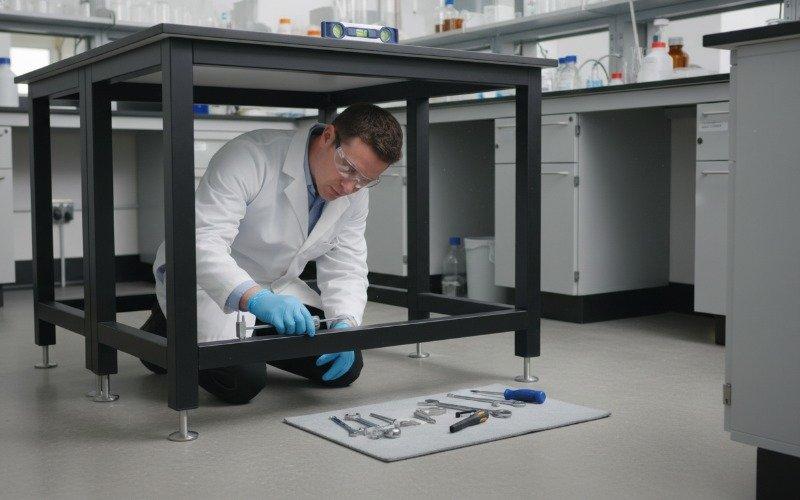
Đào tạo nhân viên phòng thí nghiệm về cách sử dụng đúng cách.
Nỗ lực bảo trì của bạn cần được hỗ trợ bởi thói quen hàng ngày của nhân viên phòng thí nghiệm. Là một kỹ thuật viên, một phần nhiệm vụ của bạn là hướng dẫn các nhà nghiên cứu về cách sử dụng thiết bị đúng cách. Tổ chức các buổi hội thảo ngắn về an toàn, nhấn mạnh tác động của việc lạm dụng cơ học lên bàn thí nghiệm. Hướng dẫn nhân viên luôn sử dụng thảm chịu nhiệt khi vận hành đèn Bunsen hoặc bếp điện. Mặc dù mặt bàn bằng epoxy có khả năng chịu nhiệt cao, nhưng tiếp xúc trực tiếp lâu dài với nhiệt độ cực cao có thể gây sốc nhiệt và nứt vi mô. Khuyến khích sử dụng thớt hoặc thảm bảo vệ khi các nhà nghiên cứu sử dụng dao mổ hoặc dụng cụ sắc nhọn. Nhắc nhở nhân viên không kéo lê thiết bị nặng trên bề mặt bàn làm việc. Bằng cách nuôi dưỡng văn hóa tôn trọng cơ sở hạ tầng phòng thí nghiệm, bạn sẽ giảm đáng kể tần suất sửa chữa khẩn cấp và kéo dài tuổi thọ tối đa của bàn thí nghiệm.
Câu hỏi thường gặp
Tôi nên vệ sinh mặt bàn epoxy của mình bao lâu một lần?
Bạn nên lau chùi mặt bàn epoxy hàng ngày bằng khăn mềm và nước rửa chén nhẹ. Việc lau chùi ngay lập tức sau khi bị đổ hóa chất là bắt buộc để ngăn ngừa ăn mòn và duy trì khả năng chống hóa chất của bề mặt.
Tôi có thể dùng thuốc tẩy để khử trùng bàn thí nghiệm không?
Đúng vậy, dung dịch thuốc tẩy 10% tiêu chuẩn có hiệu quả trong việc khử trùng sinh học. Tuy nhiên, bạn phải rửa sạch bề mặt bằng nước cất sau đó để tránh làm hư hại lớp phủ nhựa bảo vệ về lâu dài.
Cách tốt nhất để sửa chữa bàn thí nghiệm bị lung lay là gì?
Để khắc phục bàn thí nghiệm bị lung lay, trước tiên hãy kiểm tra các chân đế điều chỉnh độ cao ở dưới chân bàn. Điều chỉnh các chân đế cho đến khi bàn làm việc hoàn toàn bằng phẳng. Nếu vấn đề vẫn tiếp diễn, hãy kiểm tra và siết chặt tất cả các ốc vít bằng cờ lê lực.
Miếng cọ rửa có tính mài mòn có an toàn cho đồ nội thất phòng thí nghiệm không?
Không, bạn tuyệt đối không được dùng miếng cọ rửa có chất mài mòn, len thép hoặc bàn chải cứng để chà rửa đồ dùng trong phòng thí nghiệm. Các dụng cụ mài mòn tạo ra những vết xước siêu nhỏ làm hỏng lớp phủ không xốp và làm giảm đáng kể khả năng chống hóa chất của bàn thí nghiệm.
Các trạm rửa mắt di động có cần cống thoát nước dưới sàn không?
Không, các trạm di động không cần cống thoát nước sàn để lắp đặt. Tuy nhiên, khi được kích hoạt, chúng sẽ xả hơn 15 gallon nước ra sàn. Các cơ sở cần có kế hoạch xử lý lượng nước này, chẳng hạn như sử dụng xe chở nước thải hoặc chuẩn bị sẵn bộ dụng cụ xử lý sự cố tràn chất lỏng.
Tôi cần thay nước trong trạm rửa mắt di động bao lâu một lần?
Điều này phụ thuộc vào loại chất bảo quản được sử dụng. Với các chất phụ gia ức chế vi khuẩn chất lượng cao, nước thường có thể được bảo quản an toàn trong tối đa 120 ngày (4 tháng). Nếu không có chất bảo quản, nước cần được thay mới hàng tuần, điều này là không khả thi đối với hầu hết các phòng thí nghiệm.
Tôi có thể dùng vòi phun nước để thay thế cho trạm rửa mắt được không?
Theo tiêu chuẩn ANSI Z358.1, vòi xịt cầm tay có thể được sử dụng bổ sung cho trạm rửa mắt nhưng không thể thay thế trạm này. Trạm rửa mắt chính phải đảm bảo người sử dụng có thể rảnh cả hai tay để giữ mí mắt mở trong quá trình rửa.
https://www.zhlabsfurniture.com/wp-content/uploads/2023/03/portable-15-minute-eyewash-station.jpg 400 400 nguồn gốc https://www.zhlabsfurniture.com/wp-content/uploads/2026/08/zh-lab-logo-home-1.jpg nguồn gốc2023-01-13 13:31:492026-02-06 11:37:00Trạm rửa mắt di động https://www.zhlabsfurniture.com/wp-content/uploads/2023/03/drench-hose.jpg 400 400 nguồn gốc https://www.zhlabsfurniture.com/wp-content/uploads/2026/08/zh-lab-logo-home-1.jpg nguồn gốc2023-01-12 13:31:322026-01-29 21:24:34Bồn rửa mắt gắn trên boong
 https://www.zhlabsfurniture.com/wp-content/uploads/2023/03/emergency-eyewash-shower.jpg 400 400 nguồn gốc https://www.zhlabsfurniture.com/wp-content/uploads/2026/08/zh-lab-logo-home-1.jpg nguồn gốc2023-01-11 13:30:502026-01-29 21:24:30Trạm rửa mắt khẩn cấp
Tin mới nhất
 Phenolic Resin Countertop Maintenance & Cleaning Guide2026-10-19 - 13:11
 Các đặc điểm thiết yếu của bàn mặc áo bảo hộ hiệu quả dành cho phòng sạch châu Âu2026-07-15 - 11:03
 Lợi ích của việc sử dụng bàn phòng sạch trong phòng thí nghiệm: Hướng dẫn dành cho các nhà quy hoạch và thiết kế phòng thí nghiệm2026-06-27 - 21:19
 Top 10 nhà sản xuất nội thất phòng thí nghiệm tại Trung Quốc (Cập nhật năm 2026)2026-06-22 - 21:03

