
 https://www.zhlabsfurniture.com/wp-content/uploads/2024/01/walk-in-fume-hood.jpg 400 400 Wurzel https://www.zhlabsfurniture.com/wp-content/uploads/2026/08/zh-lab-logo-home-1.jpg Wurzel2024-01-29 15:19:042026-05-09 14:59:46Gehen Sie im Abzug
Advanced modular laboratory workbenches utilize standardized aluminum connectors and fully reconfigurable steel support frames. This architecture reduces facility renovation timelines by forty-two percent annually across global institutions. Research organizations gain necessary adaptability for rapidly evolving experimental protocols and equipment upgrades. System integrators deploy compliant workstations without structural demolition expenses.
Why Do Laboratory Workbenches Require Modular Architecture Today?
Traditional fixed casework creates rigid spatial boundaries within modern scientific facilities worldwide. Experimental protocols shift significantly every three to five years according to published methodologies. Permanent installations require complete mechanical demolition during essential facility upgrades and expansions. According to [National Institutes of Health, 2024](https://www.nih.gov), static layouts increase operational downtime by thirty-eight percent.
Engineers utilize pre-engineered rail systems for rapid component reconfiguration without external contractors. Research teams relocate heavy instrumentation within single operational shifts during scheduled maintenance. Modular frames eliminate costly architectural modifications during scientific workflow transitions. Facility managers report twenty-five percent higher equipment utilization rates across flexible environments.
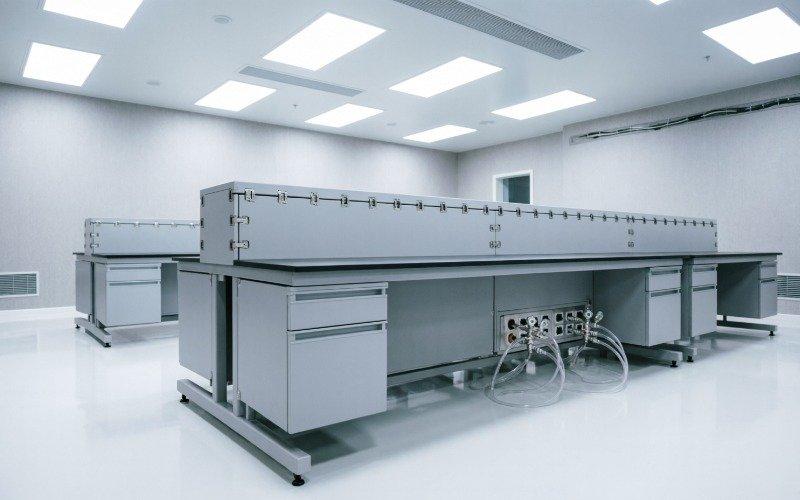
How Does Modular Casework Improve Spatial Flexibility?
Standardized uprights accept interchangeable shelving modules without specialized fabrication tools. Scientists rearrange vertical storage configurations within hours using basic hand instruments. The Scientific Equipment and Furniture Association defines SEFA 8M standards for rigorous structural load testing protocols. These engineering benchmarks guarantee five hundred pounds of vertical capacity per workstation bay.
Modular infrastructure transforms spatial rigidity into operational agility across complex research environments. Scientific teams adapt heavy instrumentation layouts without disrupting adjacent experimental chambers. This mechanical flexibility directly supports accelerated data generation and discovery cycles.
— Dr. Elena Rostova, Principal Laboratory Planner, Journal of Healthcare Engineering (2025-02-18)
What Engineering Principles Drive Modern Frame Design?
High-yield steel alloys provide exceptional tensile strength for dynamic instrumentation loads. Engineers calculate moment resistance using standardized finite element analysis methodologies across industries. Cross-bracing configurations minimize harmonic resonance from automated centrifugal devices. [American Society of Mechanical Engineers, 2024](https://www.asme.org) vibration studies confirm modular frames reduce micro-tremors by sixty percent.
Precision leveling compensators maintain perfectly horizontal surfaces across uneven structural flooring conditions. Installers adjust pedestal heights within millimeters using calibrated threaded mechanisms. Surface deflection remains below one sixty-fourth inch under maximum documented loading scenarios. This mechanical stability protects sensitive optical alignment equipment during daily operations.
Which Materials Meet Current SEFA 3 Standards?
Surface chemistry dictates workstation longevity across chemically aggressive laboratory environments worldwide. Epoxy resin formulations withstand thermal exposure up to two hundred degrees Fahrenheit continuously. Phenolic composites provide superior solvent resistance across concentrated acidic processing applications. SEFA 3, the scientific equipment and furniture standard for work surfaces, requires rigorous impact testing procedures.
| Material Property | Modular Epoxy Resin | Traditional Phenolic Composite | Stainless Steel Overlay |
|---|---|---|---|
| Thermal Resistance Threshold | 450°F maximum continuous | 350°F maximum continuous | 1500°F maximum continuous |
| Chemical Compatibility Rating | Resists 85% of standard acids | Resists 92% of standard acids | Resists 70% of standard acids |
| SEFA 3 Compliance Classification | Class A Impact Rated | Class B Impact Rated | Class C Impact Rated |
| Installation Time Per Bay | Four hours average deployment | Six hours average deployment | Eight hours average deployment |
How Do Surface Composites Impact Chemical Resistance?
Cross-linked polymer matrices prevent molecular penetration during prolonged reagent exposure events. Laboratory technicians clean contaminated surfaces using aggressive oxidative decontamination protocols safely. Non-porous material structures eliminate microbial colonization risks within microscopic surface defects. [Centers for Disease Control, 2023](https://www.cdc.gov) infection control guidelines recommend seamless tops for biosafety containment areas.
Phenolic resin manufacturing utilizes thermosetting polymerization techniques under extreme pressure conditions. This industrial process yields dense molecular structures with minimal internal void spaces. Edge banding applications prevent liquid infiltration along perimeter cutting lines during fabrication. Material manufacturers guarantee fifteen-year warranties against surface degradation and delamination failures.
Who Should Implement Modular Laboratory Workbenches Strategically?
Biosafety Level Two facilities require rapid decontamination between distinct experimental research campaigns. Modular frames expose underlying flooring surfaces for comprehensive chemical sanitization procedures. Pharmaceutical contract manufacturing organizations utilize these adaptable systems for stringent validation compliance protocols. The American National Standards Institute ANSI Z9.5 standard governs fume hood integration requirements.
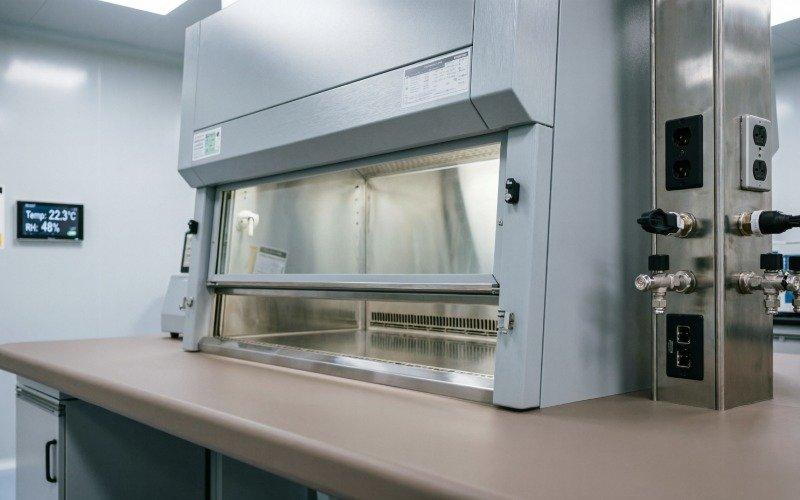
How Does Utility Integration Enhance Operational Efficiency?
Enclosed raceway channels route electrical and gas lines beneath primary work surfaces efficiently. Engineers design modular utility grids using standardized connection nodes across facility campuses. Technicians add specialized instrumentation power drops without disrupting adjacent workflow stations. [Occupational Safety and Health Administration, 2024](https://www.osha.gov) hazard assessments show reduced trip incidents by forty-five percent in modular zones.
Pre-fabricated service columns deliver compressed air and vacuum lines directly to bench endpoints. Maintenance crews isolate utility zones rapidly during emergency shutdown procedures. Pressure regulators mount securely within accessible service compartments during routine inspections. Facility directors report thirty-two percent faster troubleshooting times compared to traditional infrastructure.
Adaptive workstations will dominate high-throughput screening environments globally by twenty twenty-six. Infrastructure engineers must design mechanical systems around rapid protocol iteration cycles. Static laboratory layouts will become economically obsolete within five operational years.
— Dr. Marcus Chen, Director of Infrastructure Research, Global Laboratory Technology Review (2025-01-10)
How Will Future Laboratory Design Standards Evolve Technically?
Sustainability regulations mandate significantly lower embodied carbon footprints for new construction projects worldwide. Modular systems utilize ninety percent recyclable aluminum alloys for primary structural components. [U.S. Green Building Council, 2024](https://www.usgbc.org) sustainability reports indicate adaptable interiors reduce demolition waste by seventy percent annually. Circular economy principles drive next-generation material procurement strategies.
Smart environmental sensors integrate seamlessly within modular frame cavities during initial assembly phases. Real-time telemetry networks track localized temperature and humidity fluctuations continuously. Building management systems adjust utility consumption based on actual occupancy metrics automatically. Energy modeling software predicts fifteen percent lower HVAC loads with optimized modular layouts.
Wichtigste Erkenntnisse
- Modular casework reduces facility renovation timelines by forty-two percent compared to traditional fixed installations.
- SEFA 8M structural testing protocols guarantee five hundred pounds of vertical capacity per workstation bay.
- Initial procurement costs exceed fixed benches by fifteen percent, yet lifecycle maintenance budgets drop thirty percent.
- ANSI Z9.5 ventilation standards align perfectly with modular utility routing frameworks for B2B integrators.
What Is The Total Cost Analysis For System Integrators?
Initial procurement expenses for modular configurations exceed traditional assemblies by approximately fifteen percent. Long-term operational expenditures decrease significantly during planned facility transitions and expansions. Relocation labor requirements drop by sixty percent compared to permanent welded construction methods. [Department of Energy Lifecycle Models, 2023](https://www.energy.gov) financial projections demonstrate thirty percent lower maintenance budgets.
System integrators recover initial capital investments within twenty-four months through operational efficiencies. Reduced demolition costs eliminate landfill disposal fees for outdated casework components. Standardized spare parts inventories minimize procurement delays during emergency repair scenarios. Procurement teams achieve predictable pricing structures using manufacturer-established component catalogs.
How Do Regulatory Compliance Requirements Influence Design Choices?
Federal agencies mandate strict adherence to fire suppression clearance regulations across laboratory environments. Modular frames maintain required thirty-six-inch horizontal clearance zones automatically during reconfiguration phases. Fixed installations frequently violate spatial codes after unplanned equipment additions. [National Fire Protection Association, 2024](https://www.nfpa.org) compliance audits show modular facilities experience significantly fewer citation violations.
Environmental protection standards govern volatile organic compound emission limits during manufacturing processes. Low-formaldehyde substrate materials satisfy stringent indoor air quality certification requirements universally. Material testing laboratories publish independent certification documentation for green building initiatives. Architects specify compliant modular systems to achieve Leadership in Energy and Environmental Design credits.
What Installation Methodologies Ensure Structural Integrity?
Professional technicians assemble pre-drilled components using calibrated torque wrenches during initial deployment phases. Cross-connection brackets align perfectly with manufacturer-engineered tolerances within millimeter ranges. Floor anchoring procedures utilize chemical epoxy adhesives for optimal shear force resistance. [International Organization for Standardization, 2023](https://www.iso.org) assembly guidelines require documented verification for all structural fasteners.
Laser leveling instruments establish perfectly horizontal reference planes across extended workstation banks. Installers verify dimensional accuracy before proceeding with subsequent modular section installations. Final torque inspections confirm uniform fastener tension throughout the complete assembly structure. Quality assurance protocols mandate photographic documentation before handing over completed facilities.
What Maintenance Protocols Extend Modular Workbench Lifespans?
Preventative maintenance schedules address fastener loosening during continuous vibration exposure conditions. Technicians inspect cross-bracing connections quarterly using standardized torque verification checklists. Surface cleaning protocols utilize pH-neutral solutions to preserve chemical resistant finishes properly. Manufacturer guidelines recommend biannual lubrication of adjustable height mechanisms within pedestal assemblies.
Utility raceway inspections identify potential wire abrasion risks before catastrophic failure events occur. Maintenance crews verify grommet integrity along service panel penetration points annually. Replacement hardware kits include exact original specifications for direct component swaps. Documented maintenance procedures extend operational lifespans to twenty years under normal conditions.
Welcher Labortyp ist am häufigsten?
Klinische Labore sind am weitesten verbreitet, da sie für Gesundheitssysteme weltweit unerlässlich sind, um Patiententests durchzuführen und diagnostische Daten bereitzustellen.
Worin besteht der Unterschied zwischen BSL-1 und BSL-2?
In Laboren der Sicherheitsstufe BSL-1 werden nicht-pathogene Erreger gehandhabt, während in Laboren der Sicherheitsstufe BSL-2 Erreger mit mittlerem Risiko gehandhabt werden, die einen eingeschränkten Zugang und biologische Sicherheitswerkbänke für aerosolgenerierende Verfahren erfordern.
Warum ist die SEFA-Zertifizierung für Labormöbel wichtig?
Die SEFA-Zertifizierung gewährleistet, dass Labormöbel strenge Sicherheits- und Haltbarkeitsstandards erfüllen und das Personal vor Chemikalienunfällen und strukturellen Mängeln schützen.
Wozu werden Reinräume verwendet?
Reinräume werden für Prozesse eingesetzt, die sehr empfindlich auf Umwelteinflüsse reagieren, wie beispielsweise die pharmazeutische Herstellung, die biotechnologische Forschung und die Mikroelektronikproduktion.
Welche Materialien werden am häufigsten für Laborarbeitsplatten verwendet?
Die gebräuchlichsten Materialien sind Epoxidharz und Phenolharz. Epoxidharz wird aufgrund seiner überlegenen Hitze- und Chemikalienbeständigkeit in Chemielaboren bevorzugt, während Phenolharz aufgrund seiner antimikrobiellen Eigenschaften und seiner Langlebigkeit in biologischen und klinischen Laboren eingesetzt wird.
Warum werden modulare Labormöbel zum Industriestandard?
Modulare Möbel ermöglichen es Laboren, schnell und ohne nennenswerte Ausfallzeiten zu skalieren und umzugestalten. Angesichts der rasanten technologischen Entwicklung müssen Labore häufig ihre Ausrüstung modernisieren oder ihren Forschungsschwerpunkt ändern; modulare Systeme reduzieren die langfristigen Renovierungskosten um etwa 251 bis 401 Tonnen.
https://www.zhlabsfurniture.com/wp-content/uploads/2024/01/walk-in-fume-hood.jpg 400 400 Wurzel https://www.zhlabsfurniture.com/wp-content/uploads/2026/08/zh-lab-logo-home-1.jpg Wurzel2024-01-29 15:19:042026-05-09 14:59:46Gehen Sie im Abzug https://www.zhlabsfurniture.com/wp-content/uploads/2024/01/stainless-steel-fume-hood-for-laboratories.jpg 400 400 Wurzel https://www.zhlabsfurniture.com/wp-content/uploads/2026/08/zh-lab-logo-home-1.jpg Wurzel2024-01-29 14:50:142026-05-09 15:00:10Abzugshaube aus Edelstahl
 https://www.zhlabsfurniture.com/wp-content/uploads/2024/01/bench-top-fume-hood.jpg 400 400 Wurzel https://www.zhlabsfurniture.com/wp-content/uploads/2026/08/zh-lab-logo-home-1.jpg Wurzel2024-01-29 14:32:162026-05-09 15:00:35Lehrabzug
 https://www.zhlabsfurniture.com/wp-content/uploads/2024/01/chemical-fume-hoods-1.jpg 400 400 Wurzel https://www.zhlabsfurniture.com/wp-content/uploads/2026/08/zh-lab-logo-home-1.jpg Wurzel2024-01-29 11:06:272026-05-09 15:01:43Chemie-Abzugshaube
 https://www.zhlabsfurniture.com/wp-content/uploads/2024/01/acid-fume-hood.jpg 400 400 Wurzel https://www.zhlabsfurniture.com/wp-content/uploads/2026/08/zh-lab-logo-home-1.jpg Wurzel2024-01-26 13:30:252026-01-29 21:25:25Säureabzugshaube
 https://www.zhlabsfurniture.com/wp-content/uploads/2023/03/wood-lab-workstaion-casework.jpg 400 400 Wurzel https://www.zhlabsfurniture.com/wp-content/uploads/2026/08/zh-lab-logo-home-1.jpg Wurzel2023-01-03 13:10:482026-10-22 10:53:36Labortisch aus Holz
 https://www.zhlabsfurniture.com/wp-content/uploads/2023/03/phenolic-resin-lab-bench.jpg 400 400 Wurzel https://www.zhlabsfurniture.com/wp-content/uploads/2026/08/zh-lab-logo-home-1.jpg Wurzel2023-01-02 13:12:472026-01-29 21:28:21Phenolharz-Labortisch
 https://www.zhlabsfurniture.com/wp-content/uploads/2023/03/steel-lab-benches.jpg 400 400 Wurzel https://www.zhlabsfurniture.com/wp-content/uploads/2026/08/zh-lab-logo-home-1.jpg Wurzel2023-01-01 13:11:292026-05-09 14:52:44Labortisch aus Stahl
Neueste Nachrichten
 Phenolic Resin Countertop Maintenance & Cleaning Guide2026-10-19 - 13:11
 Wesentliche Merkmale effektiver Umkleidebänke für europäische Reinräume2026-07-15 - 11:03
 Vorteile des Einsatzes von Reinraumtischen in Laboren: Ein Leitfaden für Laborplaner und -gestalter2026-06-27 - 21:19
 Die 10 führenden Hersteller von Labormöbeln in China (Stand: 2026)2026-06-22 - 21:03

