Laboratory Furniture Cost Calculator


Planning a laboratory project can be challenging, especially when estimating furniture costs. Our Laboratory Furniture Cost Calculator helps you quickly estimate the budget for laboratory benches, fume hoods, storage cabinets, and other essential laboratory furniture based on your facility size and project requirements.
Whether you are building a pharmaceutical laboratory, school laboratory, hospital laboratory, or research facility, this tool provides a practical starting point for budgeting and planning.
Estimate your laboratory furniture budget instantly.
Get a customized laboratory furniture solution, detailed budget estimate, and professional layout recommendation from our engineering team.
Request a Custom QuoteLaboratory furniture costs can vary significantly depending on the project scope, laboratory type, and performance requirements. Understanding the key factors that influence pricing can help facility managers, architects, and laboratory planners create more accurate budgets and avoid unexpected expenses during construction or renovation projects.
The overall size of the laboratory is one of the biggest factors affecting project costs. Larger laboratories require more workstations, storage cabinets, utility connections, and installation labor. In most cases, laboratory furniture budgets increase proportionally with floor area. However, larger projects may benefit from economies of scale that reduce the cost per square meter.
Material selection has a direct impact on durability, maintenance requirements, and total project cost. Steel laboratory furniture is widely used for its strength and chemical resistance, while stainless steel systems are preferred in pharmaceutical and healthcare environments that require high levels of hygiene. Wood-based laboratory furniture may provide a lower initial investment but may not offer the same long-term durability in demanding laboratory environments.
Meja kerja laboratorium are exposed to chemicals, heat, moisture, and heavy equipment. Common countertop materials include phenolic resin, epoxy resin, stainless steel, and ceramic surfaces. Epoxy resin countertops typically provide excellent chemical resistance and durability, while stainless steel lab worktops offer superior cleanliness and corrosion resistance. Premium countertop materials generally increase project costs but can reduce maintenance and replacement expenses over time.
Related resources: complete guide to lab countertop materials
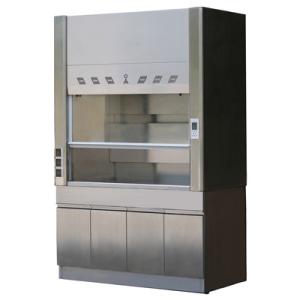
Laboratories that handle hazardous chemicals often require fume hoods and specialized ventilation systems. Ventilation equipment represents a significant portion of laboratory infrastructure costs and may increase overall project budgets considerably. The number of fume hoods, airflow requirements, and HVAC complexity all influence final costs.
Related resources: complete guide to lab ventilation system
Storage needs vary based on laboratory operations. Facilities that handle large quantities of chemicals or specialized equipment may require additional cabinets, safety storage systems, and shelving units. Flammable storage cabinets, acid cabinets, and chemical-resistant storage solutions generally cost more than standard laboratory storage systems but are essential for regulatory compliance and workplace safety.
The cost of laboratory furniture varies depending on the application, safety requirements, equipment needs, and material specifications.
| Jenis Laboratorium | Typical Cost Range |
| Laboratorium Sekolah | $100 – $200 / ㎡ |
| Laboratorium Universitas | $150 – $250 / ㎡ |
| Laboratorium Penelitian | $200 – $400 / ㎡ |
| Laboratorium Rumah Sakit | $200 – $350 / ㎡ |
| Laboratorium Farmasi | $250 – $500 / ㎡ |
| Laboratorium Pengujian Makanan | $180 – $350 / ㎡ |
| Industrial Laboratory | $150 – $300 / ㎡ |
Note: These estimates represent laboratory furniture costs only and may not include construction, utilities, HVAC systems, or specialized equipment.
Understanding how laboratory furniture budgets are distributed can help organizations prioritize investments and control costs during project planning.
| Item | Budget Share |
| Lab Benches | 40% |
| Cabinets | 15% |
| Lemari Asap | 20% |
| Countertops | 15% |
| Accessories & Installation | 10% |
In most laboratory projects, workstations and laboratory benches represent the largest portion of the furniture budget. Specialized ventilation systems and chemical-resistant countertops can also significantly affect overall project costs.
Reducing laboratory furniture costs does not necessarily mean sacrificing quality. Strategic planning and smart purchasing decisions can help organizations maximize value while staying within budget.
Modular laboratory furniture systems provide flexibility and can be reconfigured as laboratory needs evolve. This reduces future renovation costs and extends the useful life of the furniture investment.
Using standardized bench dimensions and cabinet configurations often reduces manufacturing and installation costs. Standardization also simplifies future maintenance and replacement.
Not every laboratory requires premium materials throughout the facility. For example, epoxy resin countertops may be necessary in chemical testing areas, while phenolic resin surfaces may be sufficient in administrative or educational spaces.
Incorporating future growth into the initial design can prevent expensive modifications later. Flexible layouts and scalable utility systems often reduce long-term costs.
Manufacturers with extensive laboratory experience can recommend cost-effective solutions, optimize layouts, and avoid common design mistakes that increase project expenses.
Laboratory furniture costs typically range from $100 to $500 per square meter depending on laboratory type, material selection, storage requirements, and ventilation needs. Pharmaceutical and healthcare laboratories generally require higher-specification furniture systems than educational or industrial laboratories.
The cost of a laboratory bench varies based on size, material, and configuration. Standard laboratory benches may range from several hundred to several thousand dollars per unit, depending on customization and countertop selection.
Laboratory fume hoods typically cost between $2,000 and $10,000 or more depending on size, airflow requirements, materials, and ventilation system specifications.
Laboratory benches generally represent the largest portion of the furniture budget. However, fume hoods, specialized ventilation systems, and premium chemical-resistant countertops can also contribute significantly to overall project costs.
The easiest way to estimate laboratory furniture costs is by using a Laboratory Furniture Cost Calculator. By entering laboratory size, furniture quality, laboratory type, and operational requirements, you can quickly obtain a preliminary project budget and recommended furniture configuration.
 Fitur-Fitur Penting dari Meja Pakaian Pelindung yang Efektif untuk Ruang Bersih di Eropa2026-07-15 - 11:03
 Manfaat Penggunaan Meja Ruang Bersih di Laboratorium: Panduan bagi Perencana dan Perancang Laboratorium2026-06-27 - 21:19
 10 Produsen Perabot Laboratorium Teratas di Tiongkok (Diperbarui Tahun 2026)2026-06-22 - 21:03
 Meningkatkan Produktivitas Laboratorium: Desain Meja Kerja yang Ergonomis2026-06-22 - 15:59


 Bahasa Indonesia
  English
  العربية
  Español
  Français
  Русский
  Deutsch
  हिन्दी
  日本語
日本語  한국어
한국어  മലയാളം
  Tiếng Việt
  ไทย
ไทย  简体中文
简体中文