Emergency Eye Wash and Shower: Safety Guidelines and Correct Usage
An emergency eyewash and shower is an indispensable piece of safety equipment, essential for ensuring the well-being of workers in environments where exposure to toxic and corrosive substances is a potential hazard. These stations can be found in laboratories, factories, and various workplaces where the presence of harmful chemicals poses a risk to human safety.

What is an Emergency Shower and Eyewash Station Used for?
The use of chemicals in various industries comes with inherent safety risks. Corrosive substances, in particular, can cause severe injuries when they come into contact with a person’s body or eyes. This is why the installation of emergency shower eyewash stations is of paramount importance, especially in laboratories and chemical-related work sites.
So, what is the purpose of an eye wash station?
Risk Reduction and Personnel Safety: Emergency shower eyewash stations allow employees to swiftly rinse off chemical exposures, reducing the harm caused by these aggressive substances.
Accident Control: These stations not only provide immediate aid to injured workers but also help prevent accidents from escalating. Rapidly rinsing off chemicals can effectively contain the scope of an incident and minimize damage.
Fostering Corporate Responsibility: Compliance with safety regulations is a must for chemical plants and laboratories. The absence of emergency eyewash shower can lead to substantial losses, impacting an organization’s sense of corporate responsibility.

What are the Two Types of Eyewash Stations?
Eye wash stations come in various forms, tailored to specific needs and work environments:
A. Fixed Eye Wash Stations:
- Combination emergency shower and eyewash: Featuring both a spray system and an eyewash system, this station is easily accessible on the ground. In the event of chemical exposure, the spray system should be used for at least 15 minutes to thoroughly rinse off the substances.
- Pedestal Mounted Eyewash: This mid-range solution offers an eyewash function and is suitable when a water source is nearby. It is known for easy installation, compact size, and affordability.
3. Wall-Mounted Eyewash: These units can be installed on walls, equipped with eyewash nozzles. They save space and provide quick and convenient access for rinsing contaminated eyes or facial areas.

- Drench Hose Eyewash: Designed for placement on tables or desks, these units are available in double-head and single-head configurations, making them suitable for limited-space environments like laboratories.

B. Portable Eye Wash Stations:
Portable units are ideal when a fixed water source is unavailable or when you frequently change work locations. Constructed using ABS engineering plastics, these units come in different styles, including cart-type and self-contained models, offering flexibility to meet diverse operational needs.

What are the Safety Eyewash Shower Requirements?
Adherence to specific technical requirements and guidelines is crucial for ensuring the effectiveness of eye wash stations. These requirements encompass water flow rates, spray widths, regional placement, flushing fluid temperature, and the use of alarm devices to alert relevant authorities in remote areas.
Eyewash/Face Wash Nozzles: Water Flow and Discharge Criteria
Single Function Eyewash: When using an eyewash with only eyewash functionality, it must automatically spray rinsing liquid in one second or less after activation. The continuous operation time should be a minimum of 15 minutes, with a flushing liquid flow rate of at least 1.5 liters per minute.
Combined Eyewash and Face Wash: For units equipped with both eyewash and face wash capabilities, the flow rate of the eyewash liquid should be a minimum of 11.4 liters per minute, lasting for at least 15 minutes.
Sprinklers: Flow Rate and Spray Area
Immediate Activation: Upon activation, sprinklers should automatically dispense rinsing liquid within one second or less.
Sufficient Flow: Sprinklers must provide rinsing liquid at a flow rate of no less than 76 liters per minute and maintain continuous rinsing for a minimum of 15 minutes.
Optimal Height and Spray Area: The height of the water spray from the nozzle should fall within the range of 2,080mm to 2,440mm. At a distance of 1,520mm from the user’s standing level, the minimum diameter of the spray area should be 510mm, ensuring consistent and well-dispersed rinsing liquid.
Placement of Eyewash Stations
Proximity for Quick Access: Emergency eyewash and face wash equipment should be situated in areas that can be reached within 10 seconds, typically around 15 meters at a normal walking pace.
Strategic Placement: Eyewash stations should be located at the same level as areas where chemical dangers might occur. Consider the pathway to the equipment to prevent obstructions.
Flushing Fluid Temperature
Maintaining the right temperature for flushing is essential. The acceptable range for the temperature of the flushing liquid entering emergency sprinklers and eyewash stations is between 16ºC and 38ºC.
Alarm Systems
In smaller or remote areas, alarm devices play a crucial role in notifying relevant security authorities for assistance. These devices are typically designed to be explosion-proof electrical systems.
Adhering to these guidelines ensures the proper functionality and accessibility of emergency eyewash and face wash equipment, promoting safety and efficient response in case of chemical exposure incidents.
How to Properly Use an Emergency Eye Wash Station
Correct usage of emergency eyewash and shower equipment is critical in the event of chemical exposure. Swift action can minimize the extent of injuries. In cases of significant chemical exposure to the body, it’s advisable to remove outer clothing quickly and rinse the affected area with copious amounts of water before heading to the emergency eyewash or shower station. In more severe cases, immediate medical attention is necessary.
For emergency eye wash and shower, follow these steps:
Position Yourself Under the Emergency Sprinkler: First, stand beneath the emergency sprinkler, and then pull down the sprinkler switch to activate it.
Thoroughly Rinse Your Entire Body: Using a generous amount of rinse solution, make sure to cleanse your entire body.
Conclude the Process: After completing the rinsing, push the lever upward to reset the equipment, ensuring it’s ready for the next use.

For the eye washer, follow these steps:
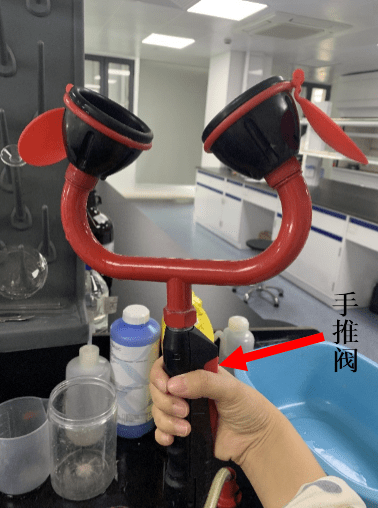
Activate the On/Off Valve: Begin by pushing the on/off valve to start the eyewash or shower.
Direct Rinsing Solution: Make sure the rinsing solution reaches the affected area, ensuring thorough coverage.
Adjust Duration: Consider the chemical’s corrosiveness and flush for an appropriate period to effectively neutralize its effects.
Finish Flushing: Once the required time has elapsed, reset the eye washer switch valve, and remember to cover it with the dust cap.

Emergency Eyewash and Shower Inspection Checklist
Regular inspections are crucial to maintain the functionality of emergency eyewash shower equipment. This checklist ensures that these life-saving devices are always ready for use:
For safety, eyewash stations should be placed in areas where hazardous chemicals are present, and they should be reachable within 10 seconds.
Proximity to Work Areas: Emergency shower installations should be no more than 30 meters away from the work area. They must be correctly positioned with the tie rods in the right direction.
Work Area Connection: Eye wash stations must be close to areas where chemicals are used.
Electrical Safety: Ensure that there are no electrical switches within 1.5 meters of eye wash and shower stations.
Proper Elevation: Eye wash stations should not be installed above the floor.

Valve and Obstacle Check: The main valve of the emergency shower must remain open at all times, and there should be no obstructions beneath the showerhead. Regular maintenance is crucial, and ordinary showerheads should never replace emergency ones.
Water Connection: Eye wash stations should be connected to a clean water supply with moderate water pressure, allowing for a smooth flow at a height of 8-10 cm.
Regular Inspection: Periodic checks and cleaning of emergency sprinklers and eyewash stations are essential. The valve should be activated at least once a month to ensure proper water flow and pressure.
Emergency Procedures: In case of an accident, victims should follow the recommended flushing time based on the type of harmful substances involved. Prepare for emergency rescue measures.

Clean and Clear: Ensure that the area around the emergency equipment is clean, free from obstacles, and easily accessible.
Water Source Connection: Eye wash units and showerheads must be connected to a clean water source.
Weekly Records: Keep a record of weekly inspections of eye washers and showerheads.
Mobile Eyewash: If using a mobile eyewash station, check the availability of reserve water daily, and regularly replace it to maintain clean water quality.
Annual Maintenance: Conduct an annual inspection of eyewash and shower equipment to ensure proper functionality.
This checklist helps ensure the effectiveness and safety of emergency eye wash and shower stations, providing peace of mind in case of chemical exposure incidents.
In summary, eye wash stations are vital for ensuring the safety and well-being of workers in environments where exposure to harmful chemicals is a concern. Understanding the types of stations, their purpose and proper usage can significantly contribute to workplace safety and accident prevention. Regular maintenance and adherence to safety guidelines are essential to guarantee the reliability of these emergency devices.
 https://www.zhlabsfurniture.com/wp-content/uploads/2023/03/portable-15-minute-eyewash-station.jpg 400 400 root https://www.zhlabsfurniture.com/wp-content/uploads/2026/08/zh-lab-logo-home-1.jpg root2023-01-13 13:31:492026-02-06 11:37:00Portable Eyewash Station
 https://www.zhlabsfurniture.com/wp-content/uploads/2023/03/drench-hose.jpg 400 400 root https://www.zhlabsfurniture.com/wp-content/uploads/2026/08/zh-lab-logo-home-1.jpg root2023-01-12 13:31:322026-01-29 21:24:34Deck Mounted Eyewash
 https://www.zhlabsfurniture.com/wp-content/uploads/2023/03/emergency-eyewash-shower.jpg 400 400 root https://www.zhlabsfurniture.com/wp-content/uploads/2026/08/zh-lab-logo-home-1.jpg root2023-01-11 13:30:502026-01-29 21:24:30Emergency Shower Eyewash Station


