
 https://www.zhlabsfurniture.com/wp-content/uploads/2023/03/wood-lab-workstaion-casework.jpg 400 400 root https://www.zhlabsfurniture.com/wp-content/uploads/2026/08/zh-lab-logo-home-1.jpg root2023-01-03 13:10:482026-10-22 10:53:36Wood Lab Table
Selecting the appropriate lab bench materials for chemical resistance stands as one of the most critical decisions for laboratory managers and safety officers. The modern chemical laboratory operates under extreme conditions where corrosive acids volatile solvents and extreme thermal shocks frequently interact with work surfaces. A compromised work surface not only jeopardizes experimental integrity but also poses severe safety hazards to personnel. In this comprehensive technical guide we will evaluate the chemical physical and thermal properties of top laboratory work surfaces. We aim to equip facility planners and chemical hygiene officers with the data required to optimize their laboratory environments for maximum safety durability and compliance with strict industry standards.
Key Takeaways
- Epoxy resin provides the highest overall resistance to harsh acids bases and extreme thermal shock in laboratory environments.
- Phenolic resin offers a highly durable cost-effective solution for environments requiring moderate chemical resistance and frequent structural reconfiguration.
- Type 316 stainless steel remains the absolute standard for biological cleanrooms and facilities utilizing highly caustic organic solvents.
- Evaluating the specific chemical inventory and exposure duration is mandatory before selecting a laboratory workstation material.
- Seamless integration between the work surface and surrounding infrastructure prevents hazardous chemical accumulation.
Understanding the fundamental mechanisms of chemical degradation helps laboratory planners anticipate how different materials will behave over a twenty-year lifecycle. Chemical resistance does not simply mean a surface will survive a spill. It means the surface will maintain its structural integrity prevent internal absorption and resist surface pitting after repeated prolonged exposure and subsequent decontamination protocols. When designing a workspace featuring a standard lab bench planners must conduct a comprehensive review of the facility chemical hygiene plan. This review identifies the concentration levels temperatures and exposure durations of all deployed chemical agents.
Epoxy Resin Laboratory Surfaces
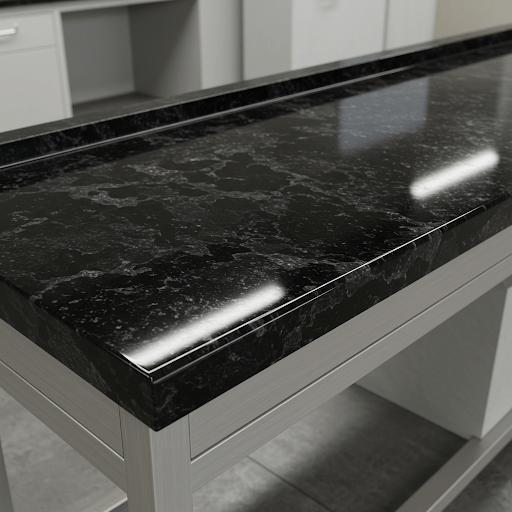
Epoxy resin represents the gold standard for chemical resistance in intensive laboratory environments. Manufactured through a complex polymerization process epoxy countertops consist of a homogeneous mixture of epoxy resin silica silica fillers and specific hardening agents. This mixture undergoes curing at extreme temperatures creating a monolithic slab completely devoid of internal voids or delamination points. The resulting material provides exceptional resistance to highly corrosive substances including concentrated sulfuric acid nitric acid and aggressive alkaline solutions.
The monolithic nature of epoxy resin means that even if the surface suffers mechanical damage such as deep scratches or gouges the underlying material maintains the exact same chemical resistance profile as the top layer. This characteristic proves vital in high-traffic undergraduate teaching laboratories and heavy industrial research facilities. Furthermore epoxy resin exhibits extraordinary heat resistance capable of withstanding continuous temperatures up to 350 degrees Fahrenheit. This thermal stability prevents blistering or cracking when users place hot crucibles or Bunsen burners directly on the work surface.
Despite its heavy weight and complex installation requirements the total cost of ownership for epoxy resin remains highly competitive due to its multi-decade lifespan. Facility managers must ensure robust structural support when specifying epoxy surfaces. The material density demands heavy-duty steel casework to prevent long-term deflection. Routine maintenance involves simple cleaning with standard laboratory detergents followed by occasional oiling to restore the characteristic matte black finish and prevent minor surface clouding.
Phenolic Resin Workstations
Phenolic resin provides an exceptionally versatile and durable alternative to epoxy resin offering excellent chemical resistance at a significantly reduced weight and cost. The manufacturing process involves impregnating layers of natural kraft paper with phenolic resins and processing them under extreme pressure and heat. This thermosetting process fuses the layers into a dense solid composite panel. A specialized top layer provides enhanced chemical resistance yielding a surface highly capable of withstanding routine laboratory spills.

While phenolic resin may not match the absolute extreme acid resistance of epoxy it performs admirably against most common reagents organic solvents and biological agents. It finds extensive application in analytical chemistry laboratories clinical diagnostics and electronics testing facilities. The lighter weight of phenolic resin greatly simplifies facility layout modifications allowing lab managers to reconfigure modular workstations with minimal downtime. The material also resists moisture absorption completely making it highly suitable for damp environments and extensive washdown areas.
A primary limitation of phenolic resin lies in its heat tolerance. Prolonged exposure to temperatures exceeding 275 degrees Fahrenheit can cause surface delamination or discoloration. Therefore laboratories utilizing open flames or high-temperature heating mantles should restrict those activities to specific zones equipped with superior thermal materials. Nevertheless the strength-to-weight ratio and general chemical resilience make phenolic resin highly desirable for modern dynamic laboratory spaces prioritizing flexibility.
Stainless Steel Laboratory Solutions
Stainless steel occupies a unique and critical niche within laboratory environments particularly where absolute sterility and resistance to organic solvents are paramount. When evaluating stainless steel laboratory planners typically choose between Type 304 and Type 316. Type 316 contains added molybdenum which significantly enhances its resistance to chlorides and harsh industrial solvents. This makes Type 316 the preferred choice for advanced pharmaceutical manufacturing chemical synthesis and biological containment facilities.
The primary advantage of stainless steel lies in its non-porous surface structure which absolutely prevents the absorption of any chemicals biological pathogens or radioactive isotopes. This enables rigorous and rapid decontamination protocols utilizing harsh sporicidal agents or aggressive solvents that might degrade polymeric surfaces over time. Furthermore stainless steel provides excellent thermal shock resistance easily accommodating rapid temperature fluctuations from liquid nitrogen handling or high-heat sterilization processes.
However stainless steel does exhibit specific chemical vulnerabilities particularly regarding halogenated acids. Prolonged exposure to hydrochloric acid or hydrofluoric acid will cause severe pitting and rapid corrosion. Laboratory managers must carefully evaluate their chemical inventory to ensure incompatible acids remain isolated from stainless steel surfaces. While the initial capital expenditure for seamless heavy-gauge stainless steel surfaces is substantial the material guarantees unmatched performance in sterile and highly regulated environments.

High Pressure Laminate and Ceramic Alternatives
Chemical resistant high pressure laminate provides a budget-friendly option for light-duty laboratories dry testing facilities and control rooms. Manufacturers apply a specialized chemically resistant film over traditional laminate layers. While suitable for transient spills of mild chemicals these surfaces cannot withstand continuous exposure or highly concentrated acids. They remain highly vulnerable to mechanical damage which exposes the non-resistant core material to rapid degradation.
Conversely technical ceramics offer extreme resistance to virtually all chemicals and thermal shocks. Fired at massive temperatures solid ceramic slabs easily handle continuous exposure to highly corrosive agents including hydrofluoric acid which destroys standard glass and stainless steel. Technical ceramics excel in specialized high-temperature metallurgical laboratories. However the extreme cost heavy weight and brittle nature limit widespread deployment across standard chemical facilities.
Technical Performance Comparison Matrix
To assist laboratory managers in material selection we provide a detailed technical comparison of the primary lab bench materials. This matrix evaluates resistance to various chemical classes and environmental stressors typical of industrial and academic laboratories.
| Material Type | Strong Acids | Strong Bases | Organic Solvents | Heat Tolerance | Impact Resistance |
|---|---|---|---|---|---|
| Epoxy Resin | Excellent | Excellent | Good | Excellent (350F) | Excellent |
| Phenolic Resin | Good | Good | Excellent | Moderate (275F) | Excellent |
| 316 Stainless Steel | Poor (Halogens) | Good | Excellent | Exceptional | High (Prone to denting) |
| Technical Ceramic | Exceptional | Exceptional | Exceptional | Exceptional (1000F+) | Poor (Brittle) |
| Chem-Resistant HPL | Moderate | Moderate | Good | Poor (150F) | Moderate |
Integration with Laboratory Infrastructure
Selecting the optimal surface material only solves part of the equation. Facility planners must ensure proper integration of the work surface with other critical laboratory infrastructure particularly ventilation systems. When hazardous chemicals undergo processing safety protocols demand the use of a high-performance fume hood. The material utilized inside the primary containment chamber must match or exceed the chemical resistance of the general laboratory casework. Planners frequently specify dished epoxy resin bases within ventilated enclosures to safely contain major volumetric spills and prevent hazardous liquids from breaching the containment zone.
Furthermore sink integration requires meticulous attention. Drop-in sinks create seams that can trap corrosive liquids or biological contaminants leading to localized degradation over time. Undermount installations or fully integrated monolithic sink units manufactured from the same epoxy or stainless steel material eliminate these hazardous joints. Proper sealant selection also plays a vital role. Laboratory-grade silicone sealants must demonstrate compatible chemical resistance profiles to maintain an impermeable barrier at the junction between the work surface and the backsplash.
Maintenance and Safety Protocols
Achieving a twenty-year lifespan from laboratory furniture heavily depends on establishing rigorous maintenance protocols. Regardless of the inherent chemical resistance of the chosen material immediate remediation of hazardous spills remains a fundamental safety requirement. Allowing concentrated acids or volatile solvents to evaporate on the work surface continuously tests the chemical limits of the polymer matrix leading to eventual microscopic surface failure. Laboratory personnel must neutralize and thoroughly wash down affected areas strictly following standard operating procedures.
Routine cleaning should utilize non-abrasive detergents to preserve the surface finish. Abrasive scouring pads can create microscopic scratches in epoxy or phenolic resins which subsequently trap contaminants and accelerate localized chemical attacks. For stainless steel surfaces managers must absolutely prohibit the use of chlorine-based sanitizers or steel wool which destroy the protective chromium oxide layer and initiate rapid rusting. Implementing comprehensive training programs ensures that all laboratory workers understand the specific vulnerabilities of their workstations and adhere to material-specific care guidelines.
Future Trends in Laboratory Surface Engineering
The laboratory furniture industry continues to innovate pushing the boundaries of material science to enhance both safety and sustainability. Emerging trends include the development of hybrid composite materials that combine the lightweight flexibility of phenolic cores with the extreme chemical resistance of thin-film epoxy overlays. Additionally manufacturers are exploring antimicrobial additives integrated directly into the resin matrix during polymerization providing passive biological resistance without compromising the chemical integrity of the surface.
Sustainability also drives modern material engineering. Facilities increasingly demand work surfaces manufactured with high percentages of post-consumer recycled content and low volatile organic compound emissions. These eco-friendly alternatives must pass the exact same rigorous SEFA chemical resistance testing protocols as traditional materials ensuring that environmental responsibility does not compromise laboratory safety or functional performance.
Frequently Asked Questions
What defines the chemical resistance rating of a lab bench material?
Chemical resistance ratings depend on standardized testing procedures often outlined by the Scientific Equipment and Furniture Association. These tests involve exposing the material surface to dozens of volatile and corrosive chemicals for exactly twenty-four hours. Technicians then wash the surface and evaluate it for any signs of pitting discoloration swelling or structural degradation. Materials passing these stringent evaluations receive certification for heavy-duty laboratory deployment.
How long will an epoxy resin laboratory bench typically last?
When properly maintained and protected from massive mechanical impacts a high-quality epoxy resin laboratory bench easily surpasses twenty years of continuous service. The monolithic nature of the material prevents internal rotting or delamination ensuring the structural integrity remains intact even under heavy daily utilization in demanding analytical environments.
Can phenolic resin surfaces handle intense heat from Bunsen burners?
Phenolic resin surfaces tolerate moderate heat up to 275 degrees Fahrenheit but they are not recommended for areas utilizing continuous open flames. Direct exposure to a Bunsen burner will eventually scorch discolor or blister the laminate surface. Laboratories requiring heavy open flame usage should definitely specify epoxy resin or technical ceramic surfaces for those dedicated thermal zones.
Why avoid stainless steel when working with hydrochloric acid?
Hydrochloric acid heavily attacks the protective passive oxide layer that gives stainless steel its characteristic corrosion resistance. Once this layer fails the acid rapidly pits the underlying steel matrix causing permanent structural damage and severe rusting. Laboratories extensively utilizing halogenated acids must strictly avoid stainless steel and opt for highly resistant polymers like epoxy.
How do I restore a dull epoxy resin lab bench surface?
Over time chemical exposure and abrasive cleaning can dull the matte finish of an epoxy surface. Laboratory maintenance teams can easily restore this finish by thoroughly washing the surface with standard detergents drying it completely and applying a very thin layer of laboratory-grade mineral oil. Buffing the oil into the surface restores the deep color and provides a minor sacrificial barrier against subsequent minor spills.
https://www.zhlabsfurniture.com/wp-content/uploads/2023/03/wood-lab-workstaion-casework.jpg 400 400 root https://www.zhlabsfurniture.com/wp-content/uploads/2026/08/zh-lab-logo-home-1.jpg root2023-01-03 13:10:482026-10-22 10:53:36Wood Lab Table https://www.zhlabsfurniture.com/wp-content/uploads/2023/03/phenolic-resin-lab-bench.jpg 400 400 root https://www.zhlabsfurniture.com/wp-content/uploads/2026/08/zh-lab-logo-home-1.jpg root2023-01-02 13:12:472026-01-29 21:28:21Phenolic Resin Lab Table
 https://www.zhlabsfurniture.com/wp-content/uploads/2023/03/steel-lab-benches.jpg 400 400 root https://www.zhlabsfurniture.com/wp-content/uploads/2026/08/zh-lab-logo-home-1.jpg root2023-01-01 13:11:292026-05-09 14:52:44Steel Lab Table
Latest News
 Phenolic Resin Countertop Maintenance & Cleaning Guide2026-10-19 - 13:11
 Essential Features of Effective Gowning Benches for European Cleanrooms2026-07-15 - 11:03
 Benefits of Using Cleanroom Tables in Labs: A Guide for Lab Planners and Designers2026-06-27 - 21:19
 Top 10 Lab Furniture Manufacturers in China (2026 Updated)2026-06-22 - 21:03

